Workshop Summary
INARCH held its fall 2025 annual workshop at the Innsbruck University Center in Obergurgl, Austria on September 12–14, 2025. Our local hosts were Professors Rainer Prinz, Ulrich Strasser, and Lindsey Nicolson from the University of Innsbruck.
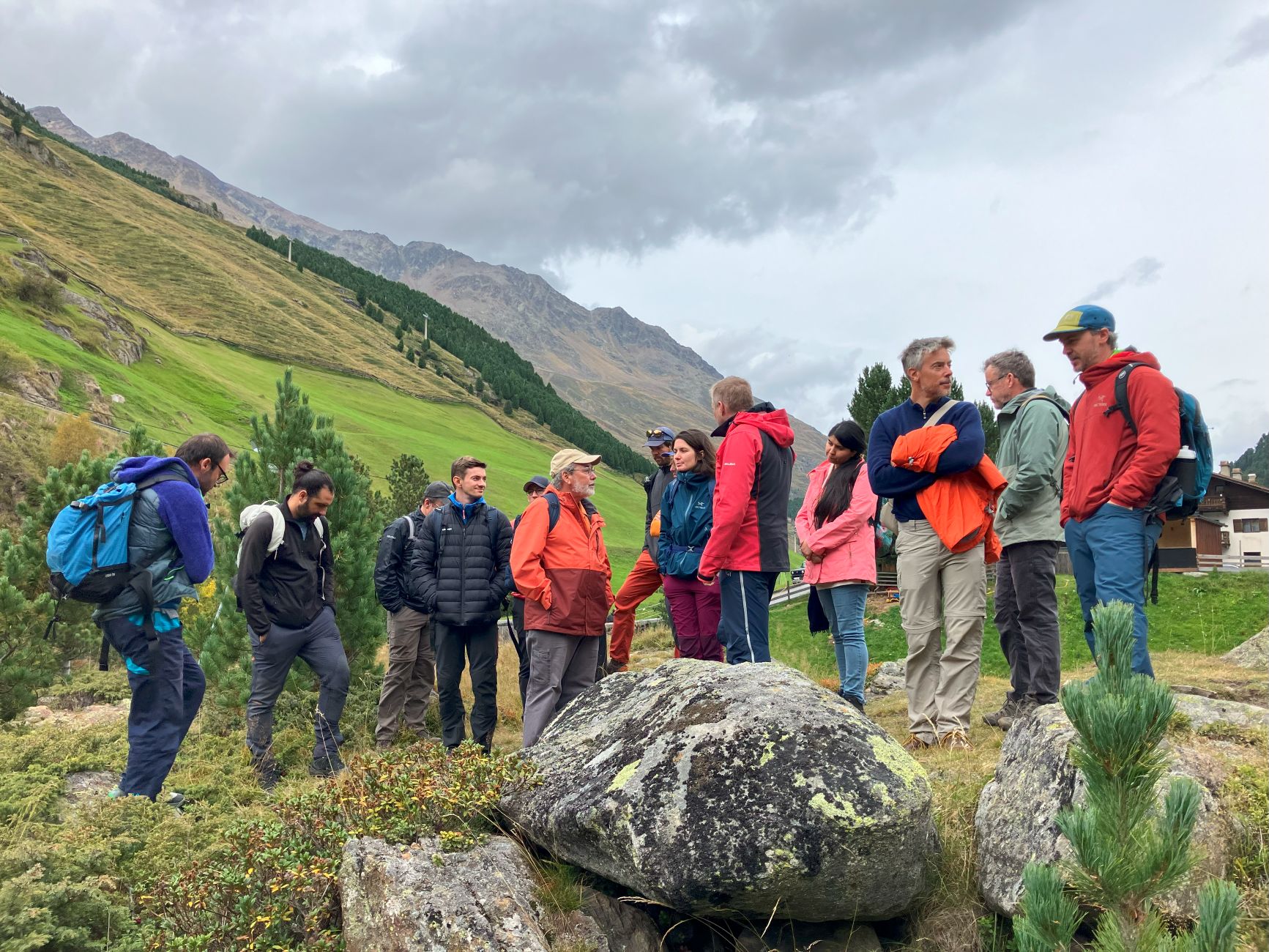
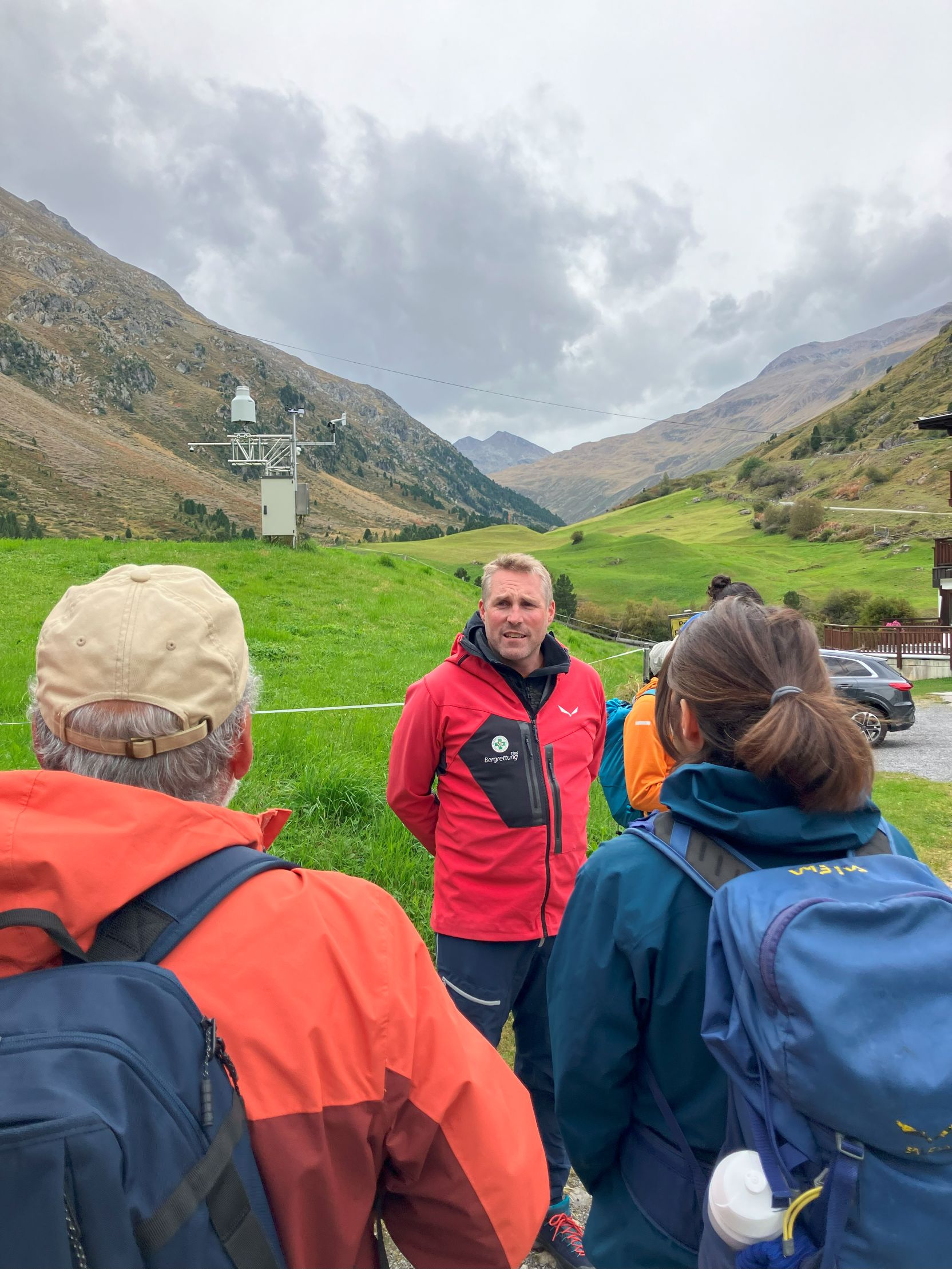
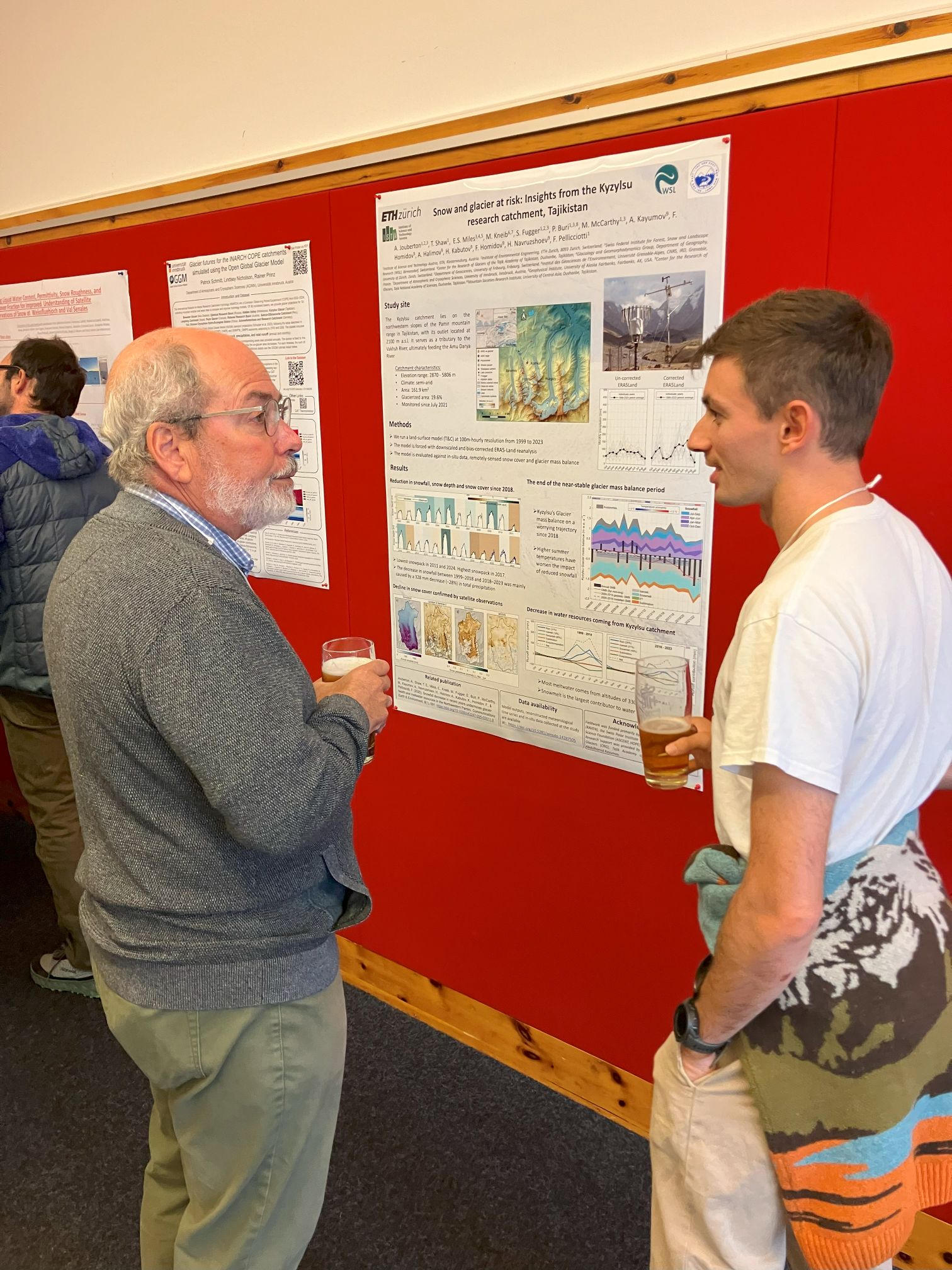
The workshop was attended by 20 participants who traveled from Innsbruck to Obergurgl on September 12, met together over the course of two days and shared scientific updates (13 talks and 7 posters), discussions, a field excursion to local research sites in the Rofental Catchment and surrounding mountain environments, and socializing. Science topics covered at the workshop included progress on observational and modelling activities, remote sensing initiatives, downscaling, and progress with INARCH's Common Observing Period Experiment (COPE) and advancing science outcomes and use of COPE data. Further discussions focused on addressing key INARCH science questions, completing the COPE diagnostic modelling activities, compiling metadata within the https://gwfnet.net/ system and making data accessible via the Data Centre, publishing data and research papers in INARCH special issues of both Earth System Science Data and Hydrological Processes, potential contributions to the International Year for Glaciers' Preservation (IYGP) and the International Decade of Action for Cryospheric Sciences (DACS), and the renewal and science focus of INARCH as a GEWEX cross-cutting project. This was a fruitful and productive workshop, and the INARCH Statement 2025 below lists our progress and developments.
On September 14 the group returned to Innsbruck where some attended the International Mountain Conference (IMC 2025) and where INARCH held a focus session on High mountain hydrology and cryosphere: observations, modelling, prospects. That session was well-attended, with over 100 audience members, 17 talks, and 16 posters.
INARCH Statement 2025
- INARCH met in Austria for the first time, hosted by the University of Innsbruck
- Alpine catchment studies continue, # of COPE sites are expanding and many are ready to apply for INARCH Research Catchment status. INARCH basins provide essential reduction in uncertainty in precipitation at high elevations and their lapse rates.
- Coupled glaciohydrological and subsurface hydrological models have been developed and are being applied to diagnose INARCH basins.
- Advanced remote sensing products, surface observing techniques and multi-scale models are being applied to INARCH basins over the COPE period and compared to datasets. More needs to be done and more datasets made available in the GWFNet system. COPE questions need to be addressed. A selection of INARCH catchments will be used to validate new remote sensing products.
- INARCH is delivering new research and novel prediction and monitoring capabilities for IYGP and DACS, including global prediction products through improvement in land surface schemes, microphysics, wind flow and downscaling.
- INARCH is developing new science questions around downscaling atmospheric forcings, albedo depression from contaminants and bioalbedo, ephemeral snow hydrology including slope and elevational dependencies, runoff efficiencies due to snow and ice melt, transient vegetation, glacier, surface and subsurface water storage changes with climate and coupling physically based models with flowpath understanding from isotopes. This could lead to globally coordinated studies comparing cryospheric-hydrological responses in mountains around the world.
- Interinstitutional collaborations including community of practice, workshops, lab exchanges could accelerate collaborations and comparative outputs.
- INARCH will reapply as a GEWEX crosscut project in 2026.
Presentations
- Workshop opening: Summary and Overview of INARCH Phase II Activities and Progress (John Pomeroy)
- Overview of the Hintereisferner / Rofental Open Air Laboratory (Rainer Prinz)
- From measurements in the field to physically based modelling: the Rofental (Uli Strasser)
- The International Network for Alpine Research Catchment Hydrology (INARCH) and its Common Observing Period Experiment (COPE), 2022–2024 (Chris DeBeer)
- Modelling the Impact of Black Carbon on a Nepalese Glacier Catchment Using CRHM and Bias-corrected Reanalysis Data (John Pomeroy)
- AI/ML Applications for Downscaling to Convection Permitting and Catchment Resolving Scales (Ethan Gutmann)
- Extension of the AlpSnow products to INARCH sites (Gabriele Schwaizer)
- Contrasting energy-balanced based snowmelt runoff estimates with isotopic hydrograph separation for a small arctic mountainous catchment in Svalbard (Ekaterina Rets)
- Leaf contact area as forest structure indicator to assess its influence on the interception and distribution of snow in sub-alpine mountain environments (Marc Pons)
- Exploring the Sensitivity of Watershed Hydrology to Land Cover and Climate Change: Results from an Experimental Watershed Spanning the Rain-Snow Transition Zone (Tim Link)
- A modelling study of historical snow droughts in the extratropical Andes Cordillera and their hydrological implications (James McPhee)
- Hydrologic Implications of a Declining Snowpack (James McNamara)
- Elevation-Dependent Effects of Climate Change on Snowpack in Spanish Mountains (Nacho López-Moreno)
Posters
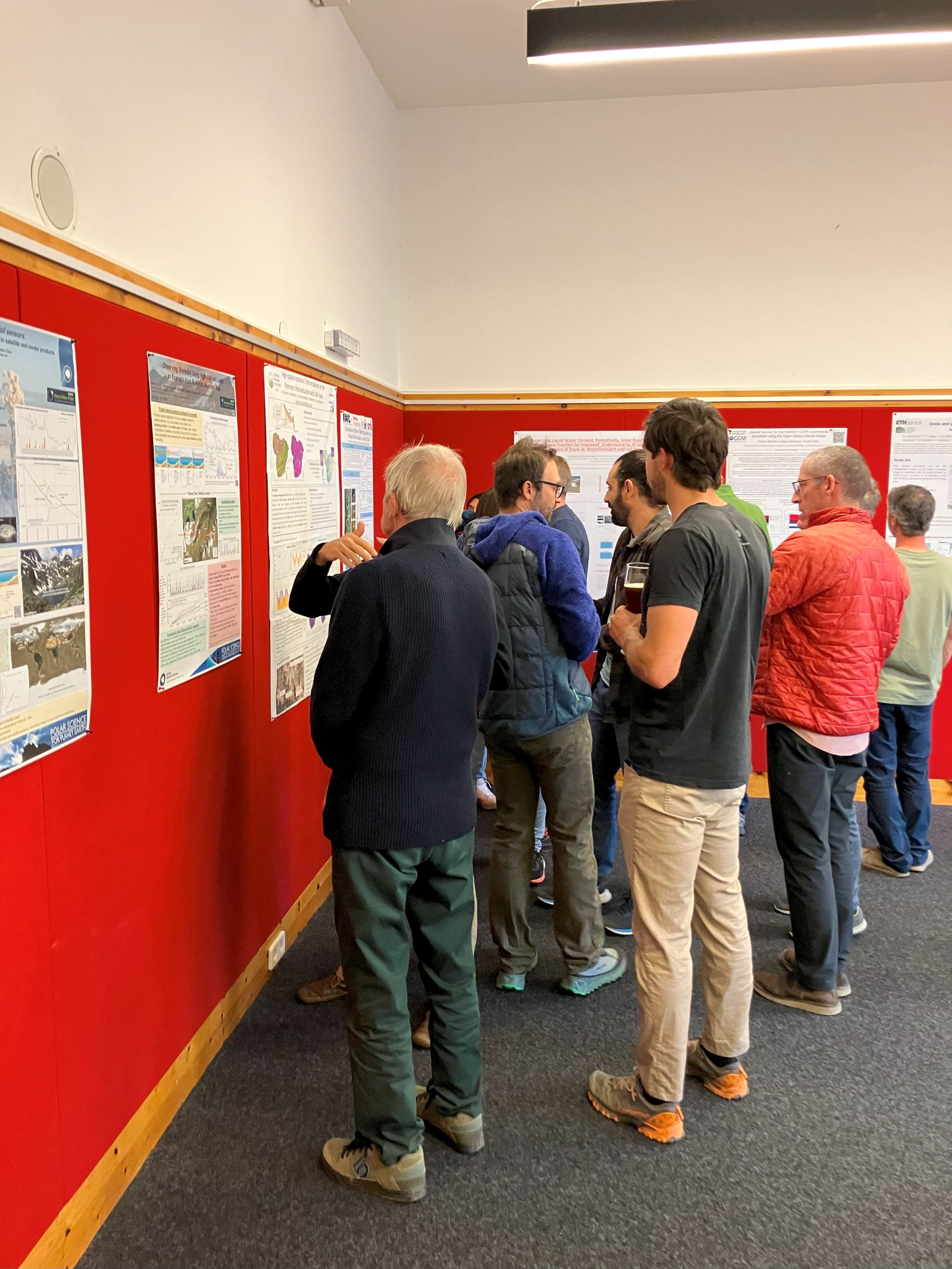
- Glacier futures for the INARCH COPE catchments simulated using the Open Global Glacier Model (Patrick Schmitt, presented by Rainer Prinz)
- Snow and glacier at risk: insights from the Kyzylsu research catchment, Tajikistan (Achille Jouberton)
- Lakes as snowfall sensors: a breakthrough for constraining SWE in satellite and model products (Hamish Pritchard)
- Observing Snowfall Using High Altitude Lakes: an Example from Rofental, Austrian Alps (Federico Covi)
- High spatial resolution CHM simulations in the Pyrenees: first evaluations with UAV data (Maria Courard, presented by Jesus Revuelto)
- Estimation of Snow Water Equivalent in the Maipo river basin in central Chile (Paloma Palma)
- Characterizing Liquid Water Content, Permittivity, Snow Roughness, and Snow Cover Fraction for Improved Understanding of Satellite Observations of Snow at Weissfluejoch and Val Senales (Carlo Marin)
Photos
|
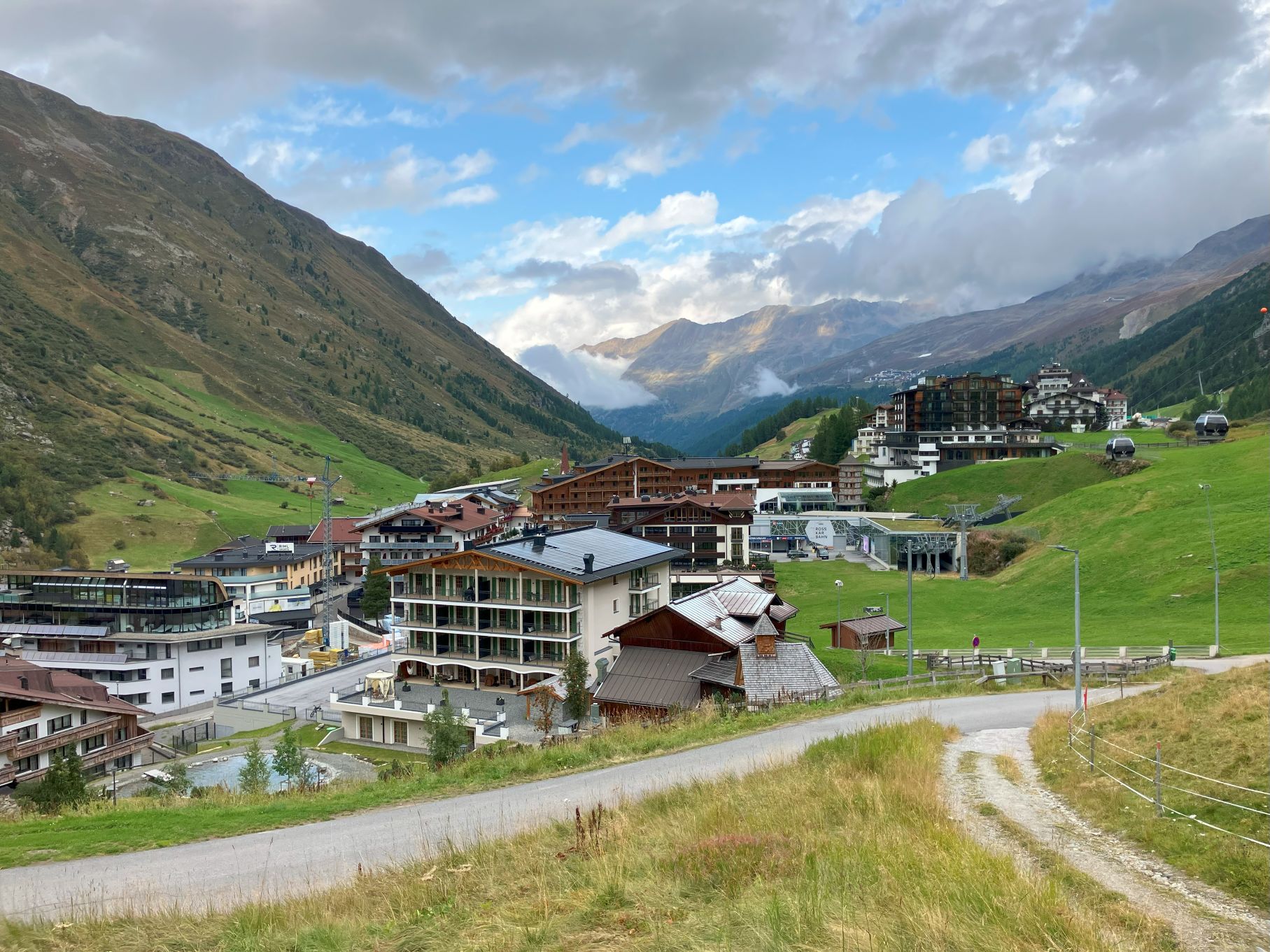
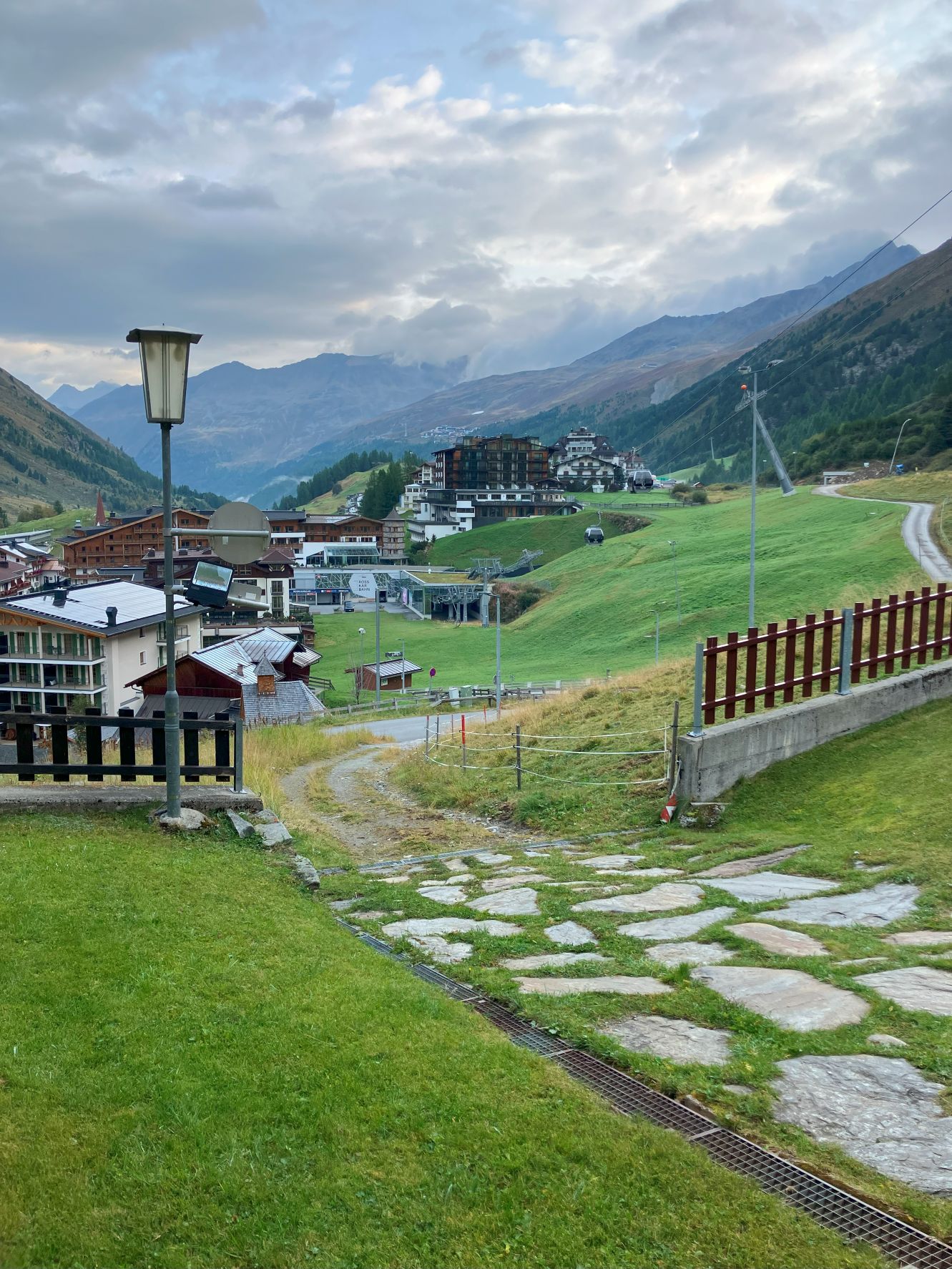
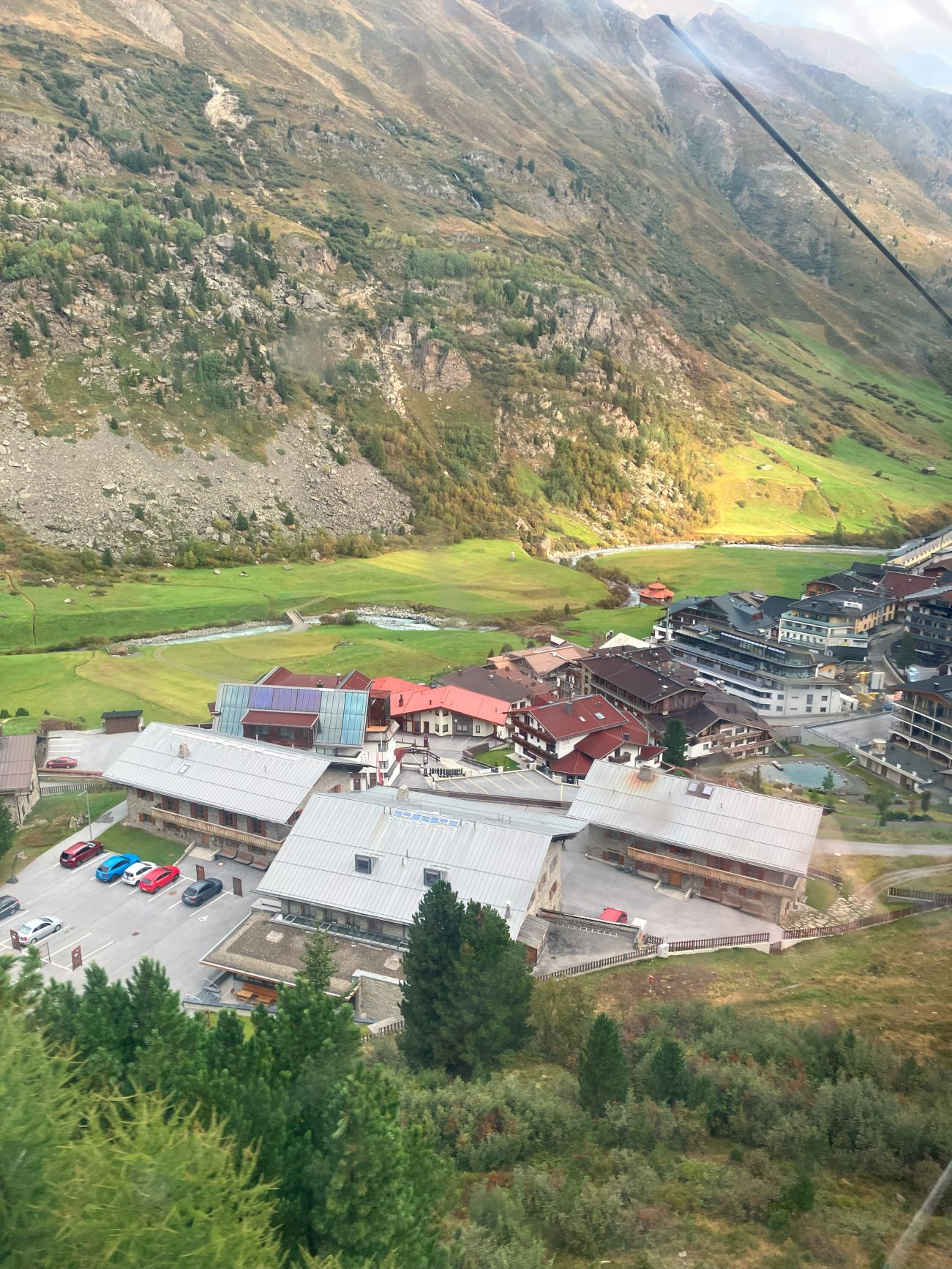
the Innsbruck University Center in Obergurgl |
 |
 |
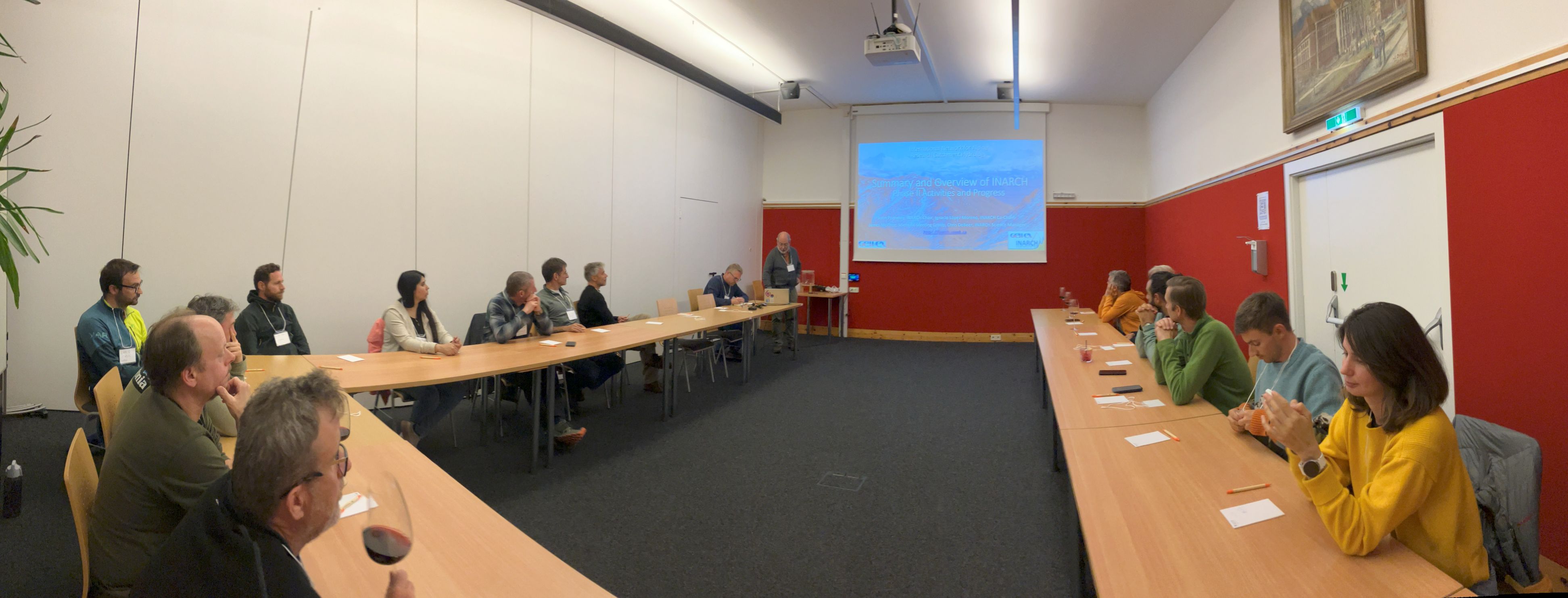 |
workshop opening |
|
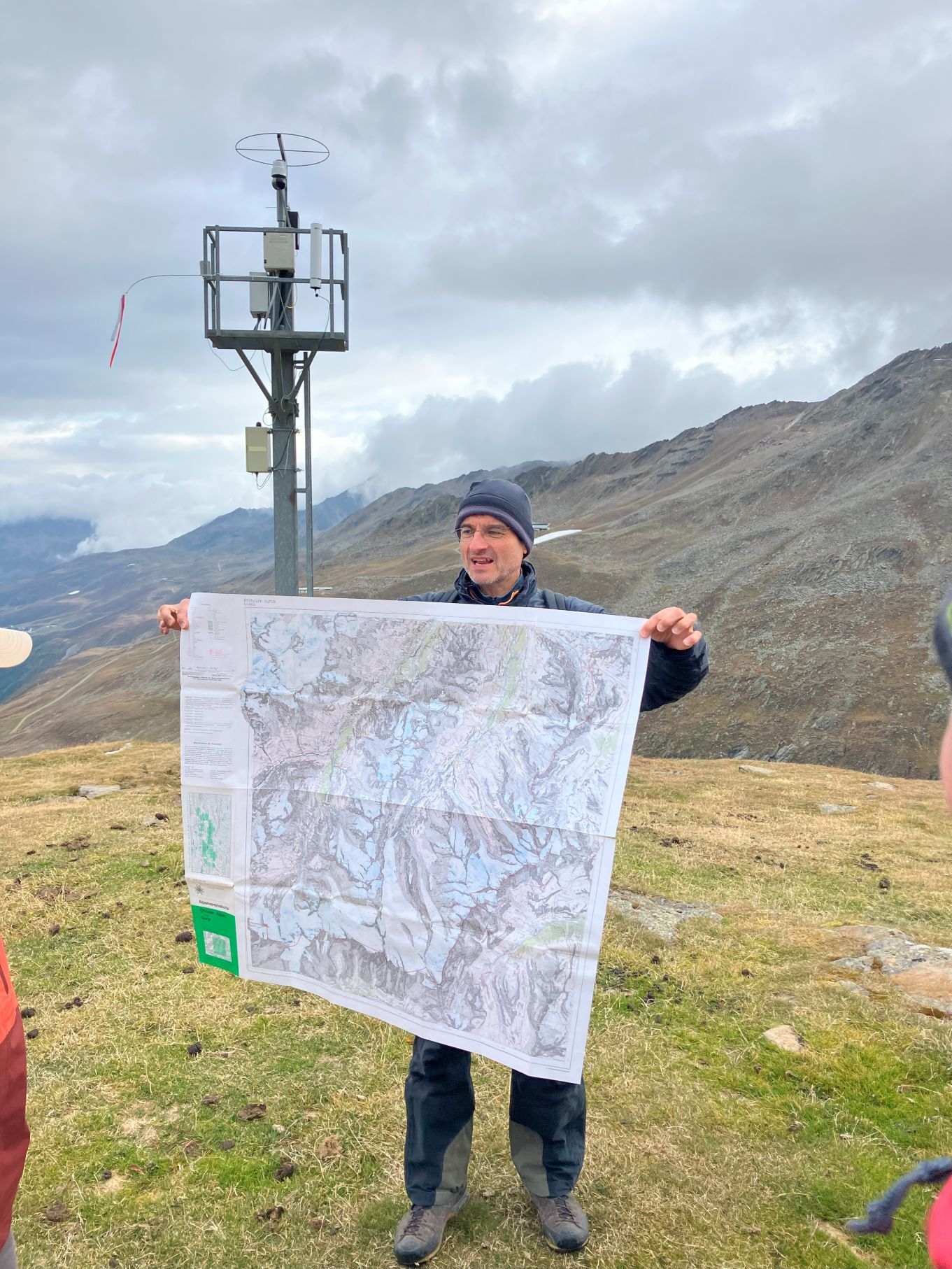 |
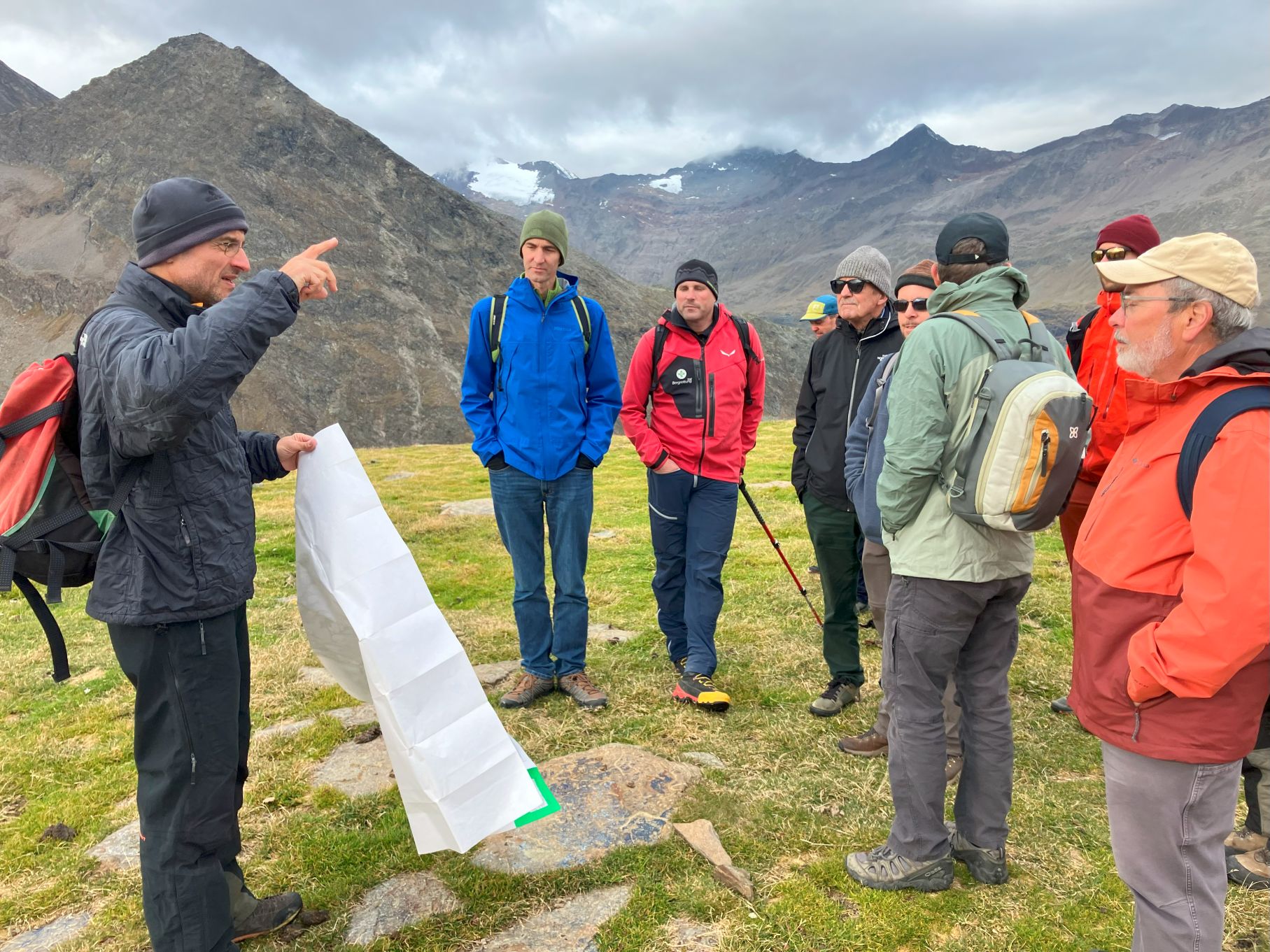
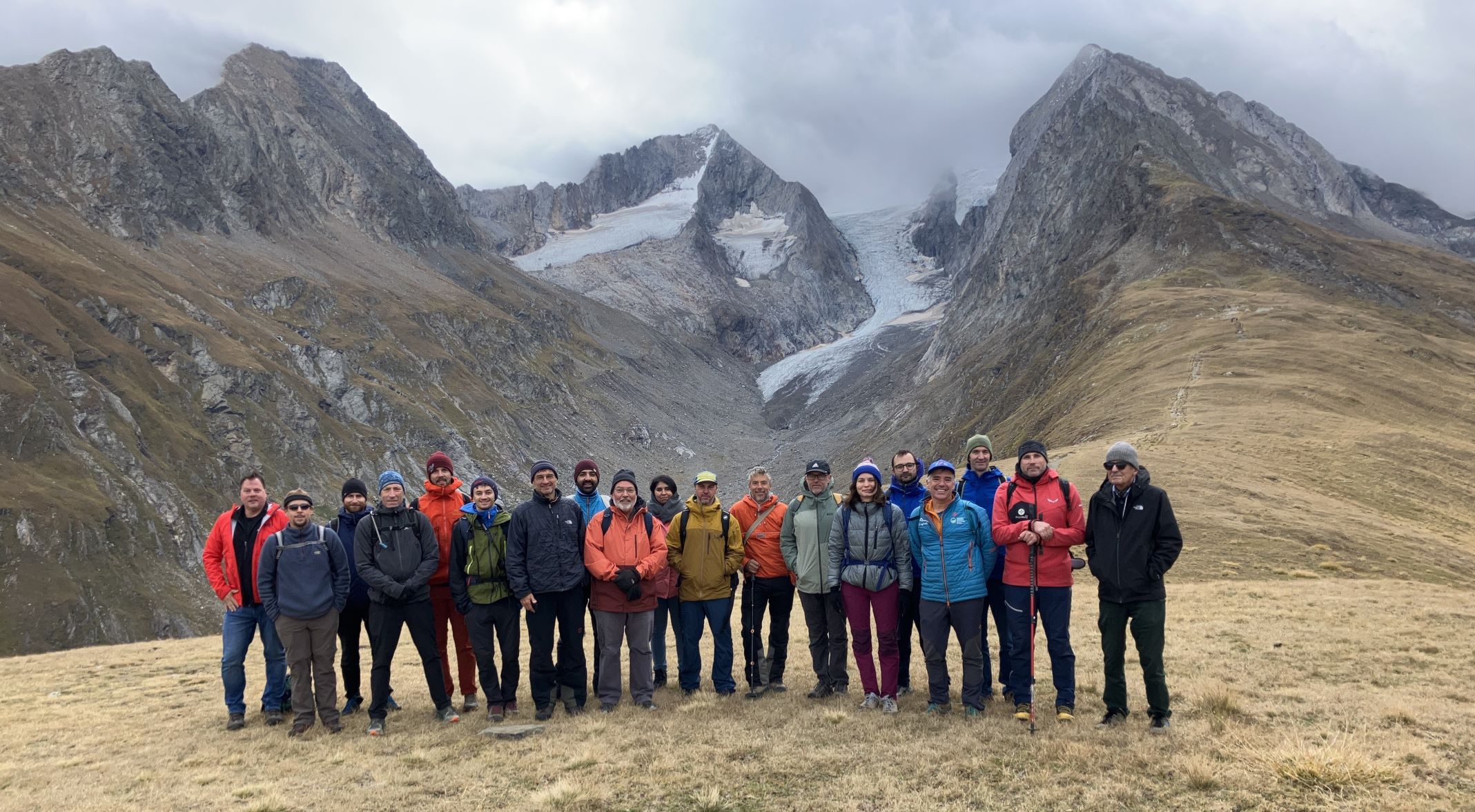
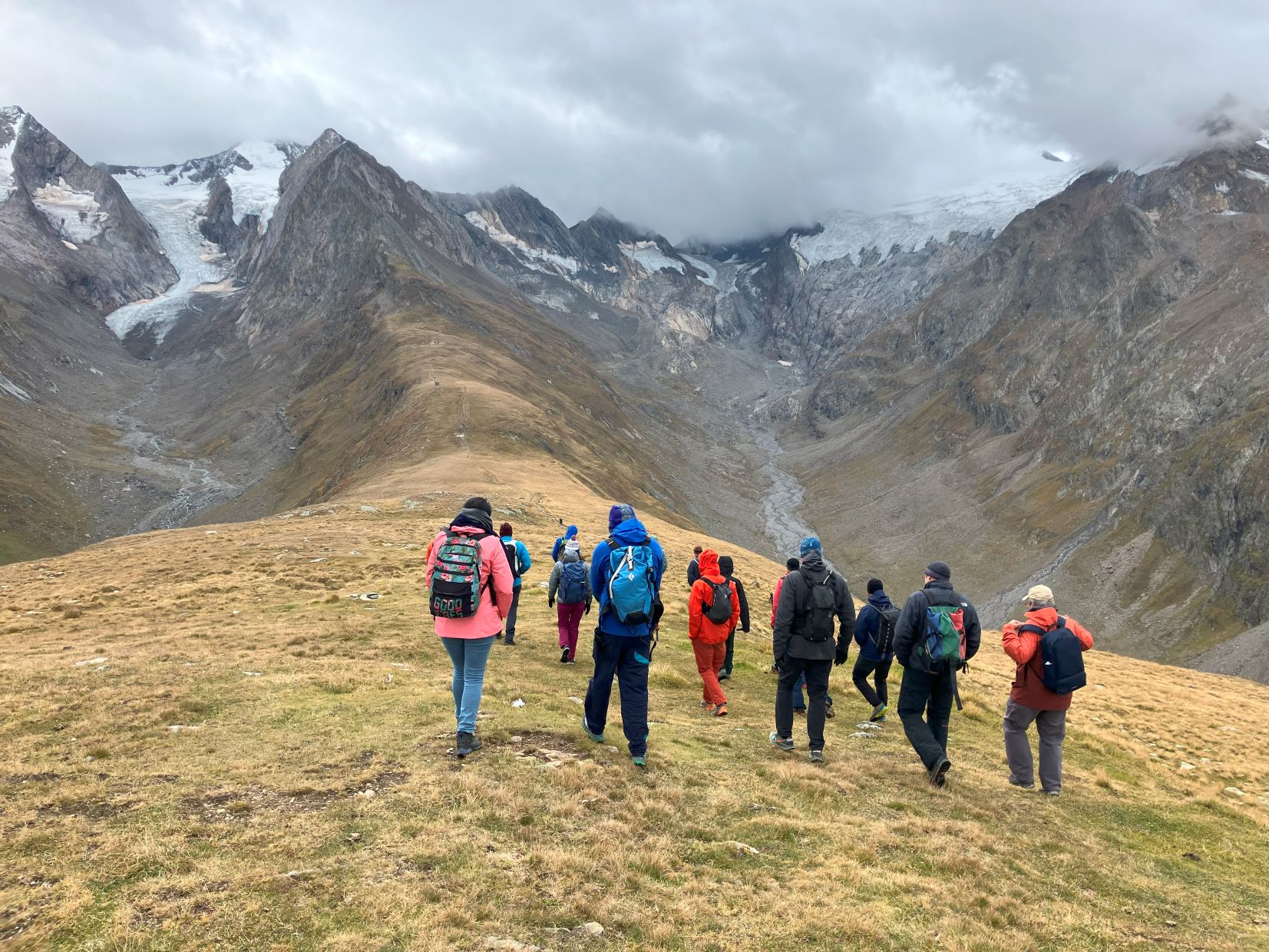
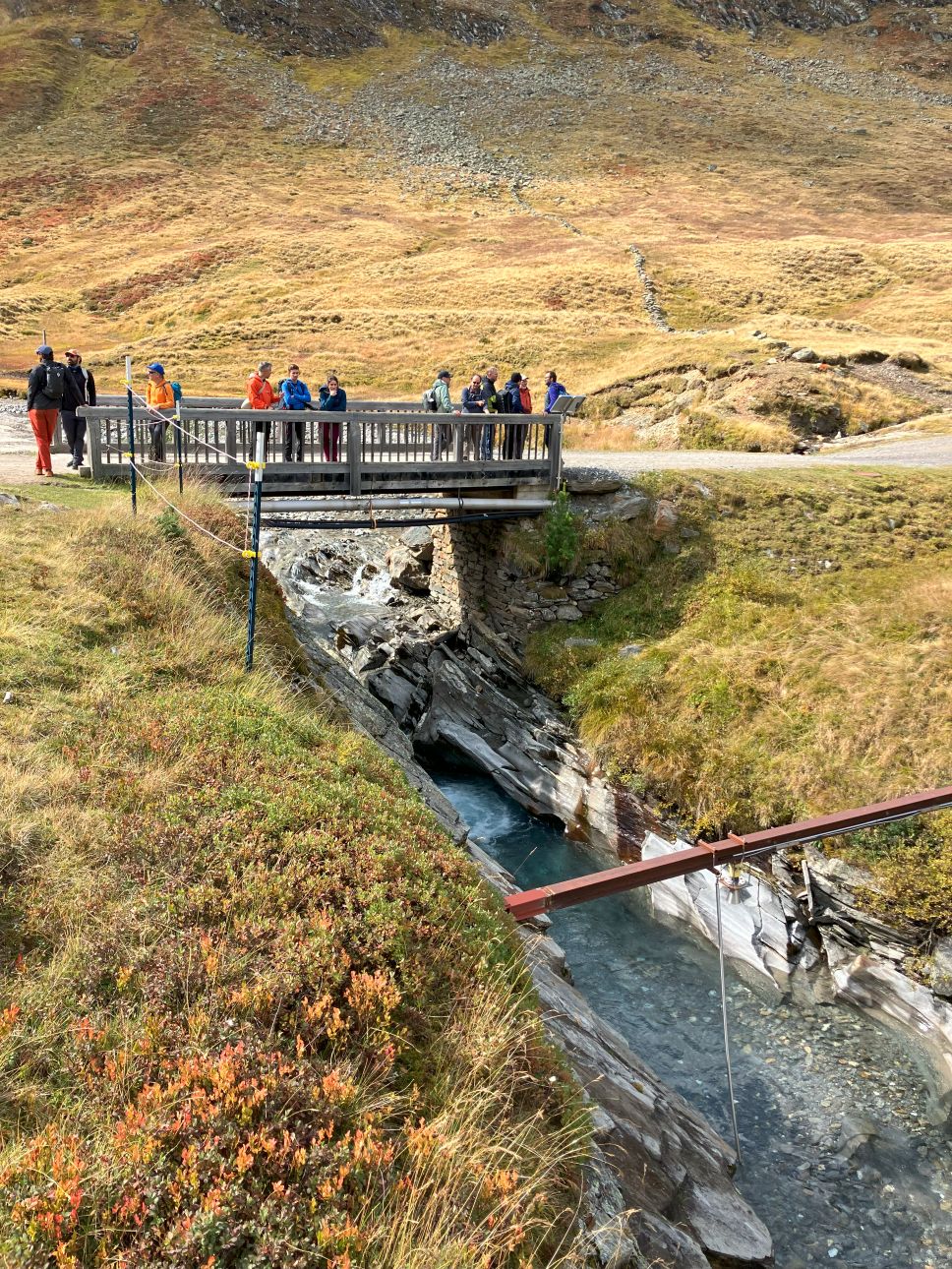
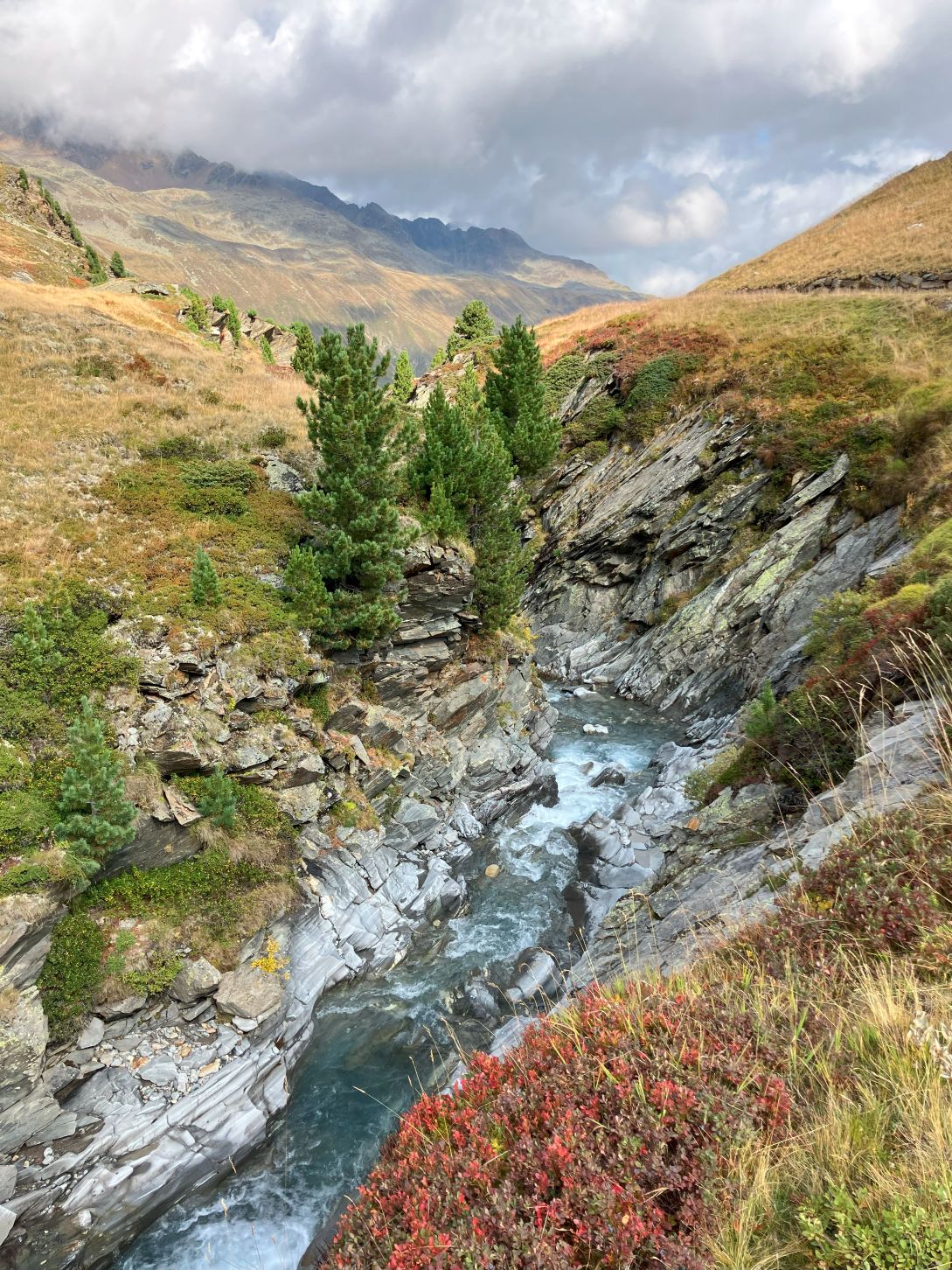
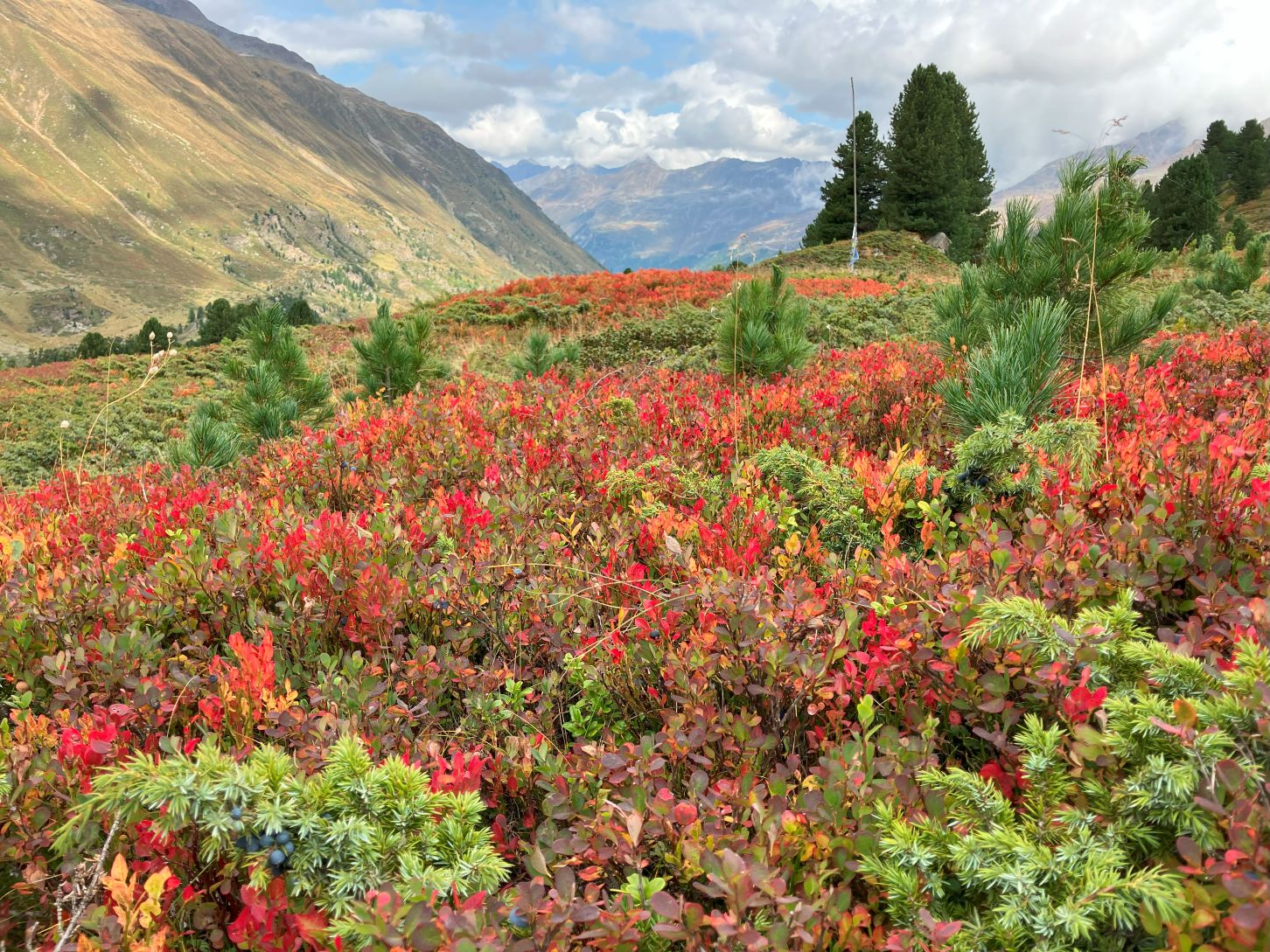
field excursion on day-2 |
 |
 |
 |
 |
|
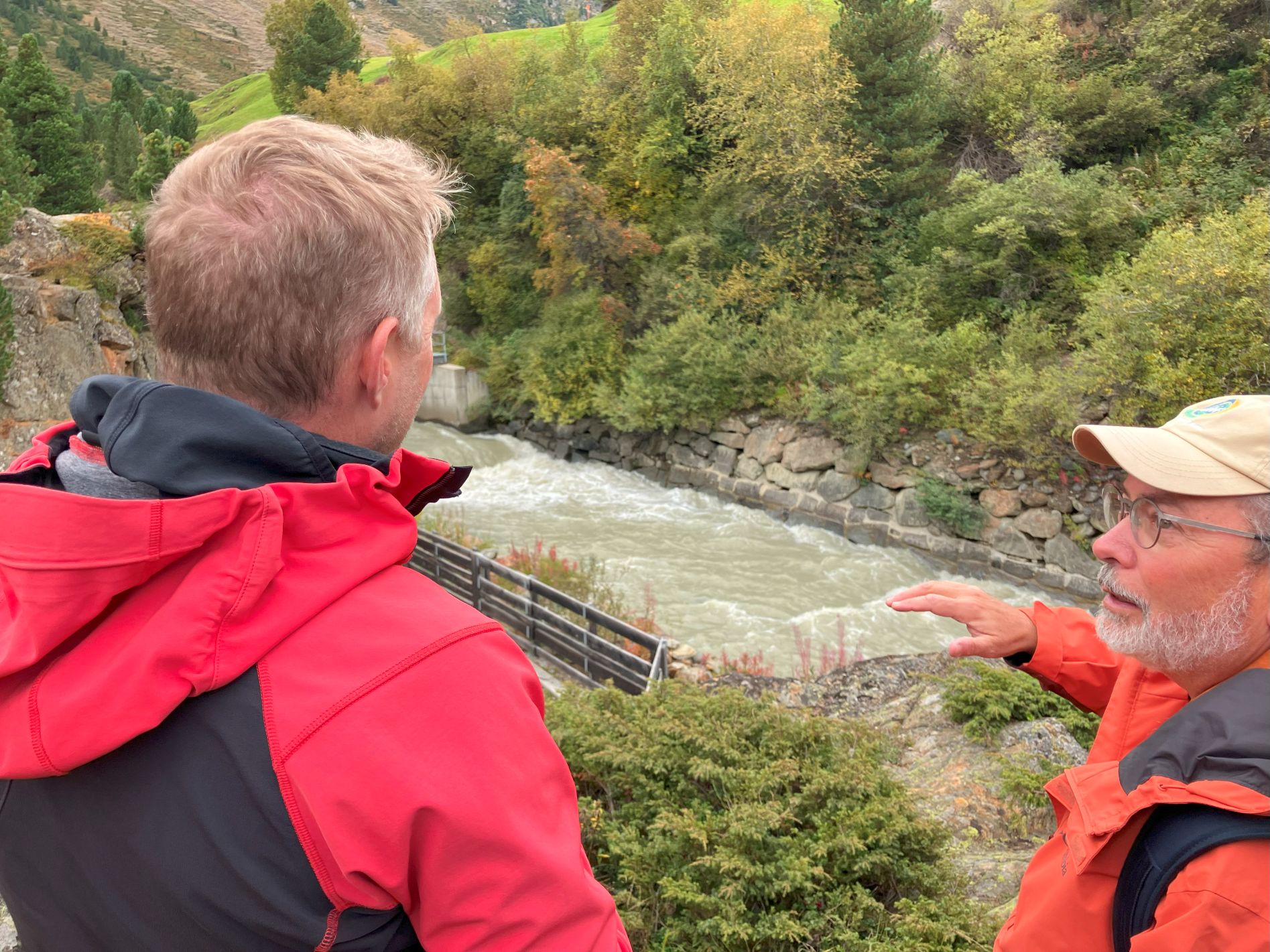
Outlet of the Rofental Catchment |
 |
 |
|
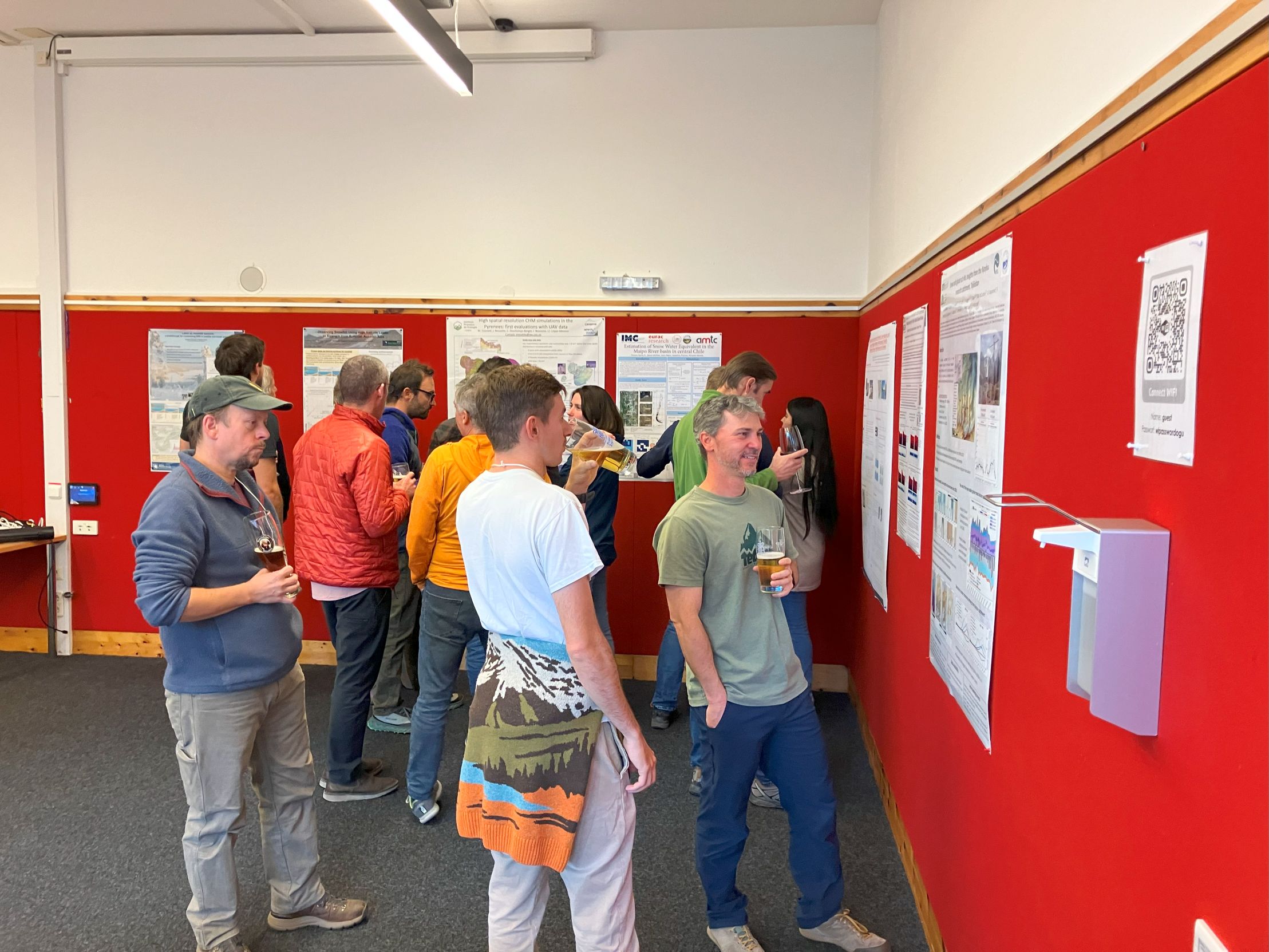
poster session |
 |
 |
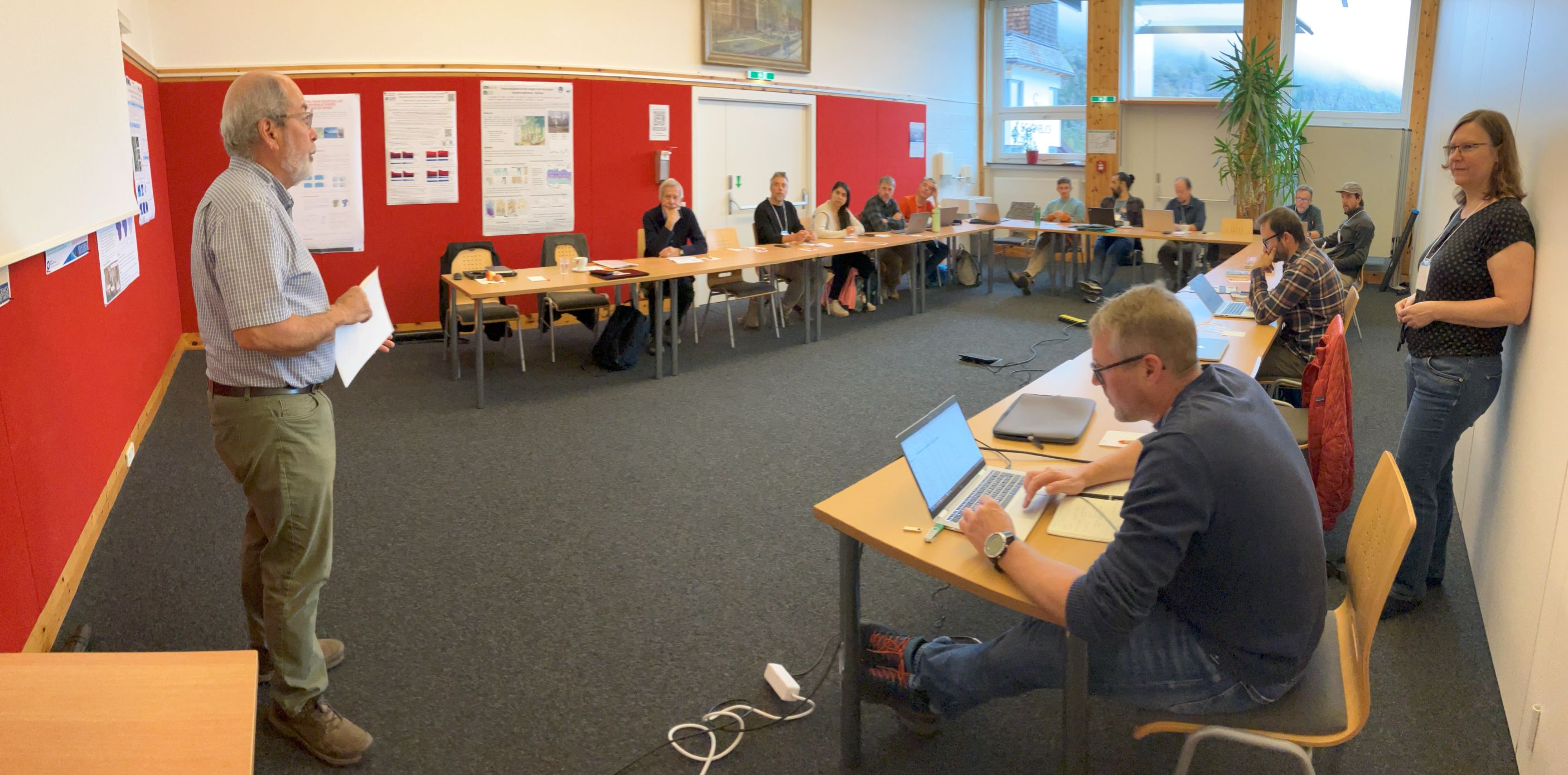 |
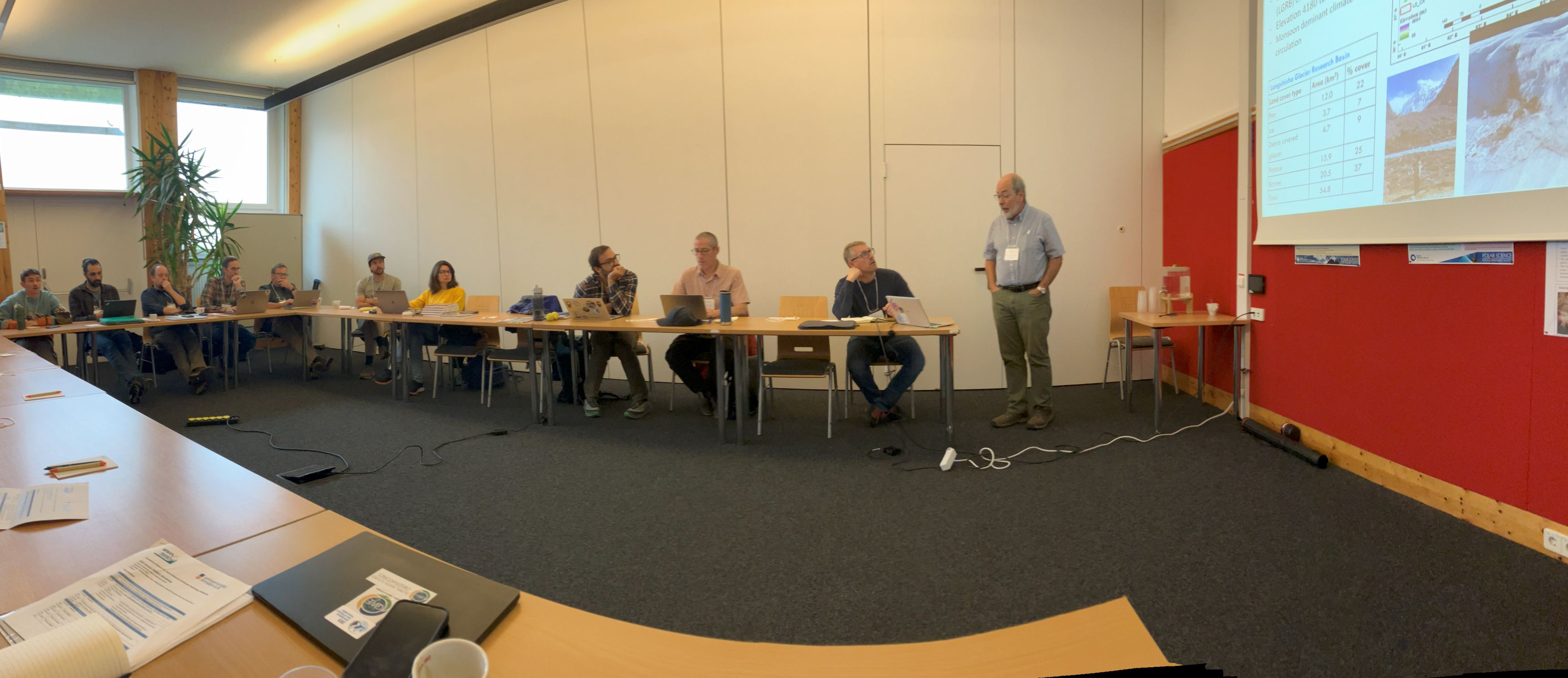
final workshop session |
|
 |
||