
Workshop Summary
Local Host: John Pomeroy, University of Saskatchewan
The 2026 Annual Workshop of the International Network for Alpine Research Catchment Hydrology (INARCH) was held September 8–10 at the University of Calgary’s Kananaskis Centre (the Barrier Lake field station) in Alberta, Canada, bringing together 37 participants from Canada, China, Chile, Nepal, Spain, the United Kingdom, and the United States. One additional presentation was delivered remotely from China, and seven participants joined online for the final COPE session. The meeting marked an important point as INARCH approaches completion of Phase II (2021–2026) and prepares for renewal as a GEWEX Cross-Cutting Project. INARCH now connects more than 60 scientists and 43 experimental research basins across 19 countries and six continents.
Scientific presentations highlighted major advances in mountain observations and remote sensing, integrated observation–modelling systems, and increasingly sophisticated hydrological and cryospheric models. New observing technologies and observatories are expanding measurements of snowfall, snow cover, glaciers, groundwater, ecosystems and hydrological processes, including in previously data-sparse mountain regions. Modelling developments included higher-resolution snow redistribution, data assimilation, AI applications, improved representation of hydrological processes, including water quality and isotopic signatures, and increasingly coupled snow–soil–vegetation–groundwater–runoff systems. Problems in forcing data for hydrological modelling in mountain basins were identified as was the unnecessary uncertainty introduced by use of temperature index models of glacier ablation. Participants also examined the consequences of snow drought, declining snowpacks and transitions from snow to rain, which are already altering mountain runoff, ecosystems and downstream water availability. Observations from the Canadian Rockies, for example, document ongoing cryospheric retreat and associated impacts on mountain hydrometeorology, groundwater, runoff processes, evapotranspiration and downstream hydrology.
A particularly important focus was the August 2026 Nepal–China flood, a catastrophic cascading event involving glacier and rock collapse and a rapidly propagating flood wave. The event demonstrated the limitations of conventional stream-gauge-based warning systems and reinforced the need for integrated cryosphere–hydrology observations and prediction, rapid remote sensing, transboundary data sharing and community-based early warning. The workshop also advanced INARCH’s Common Observing Period Experiment (COPE) from its observational phase toward coordinated data publication and diagnostic modelling. COPE has established an international mountain model testbed involving more than 15 modelling frameworks, and WaterNet is being developed as the pathway for organizing and accessing COPE sites, datasets and models.
The workshop included extensive scientific discussion and a field excursion to the Fortress Mountain Research Basin, providing participants with direct exposure to long-term Canadian Rockies observations and ongoing process studies. The meeting concluded that rapid cryospheric decline is producing substantial changes in mountain hydrological function, making improved observation and prediction increasingly urgent. Tipping points in hydrological function were identified in some basins, but it is unclear whether they have yet been crossed. More comparison of basin responses to climate variability using elasticity analysis and evaluation of extreme events will help complete the COPE analysis. INARCH will continue its international coordination through COPE and contribute its coupled observation and prediction capabilities to the UN’s Decade of Action for Cryospheric Sciences (2025–2034). The group also identified Nepal as the intended location for the next INARCH meeting, hosted by Dr. Dhiraj Pradhananga of Tribhuvan University and The Small Earth Nepal.
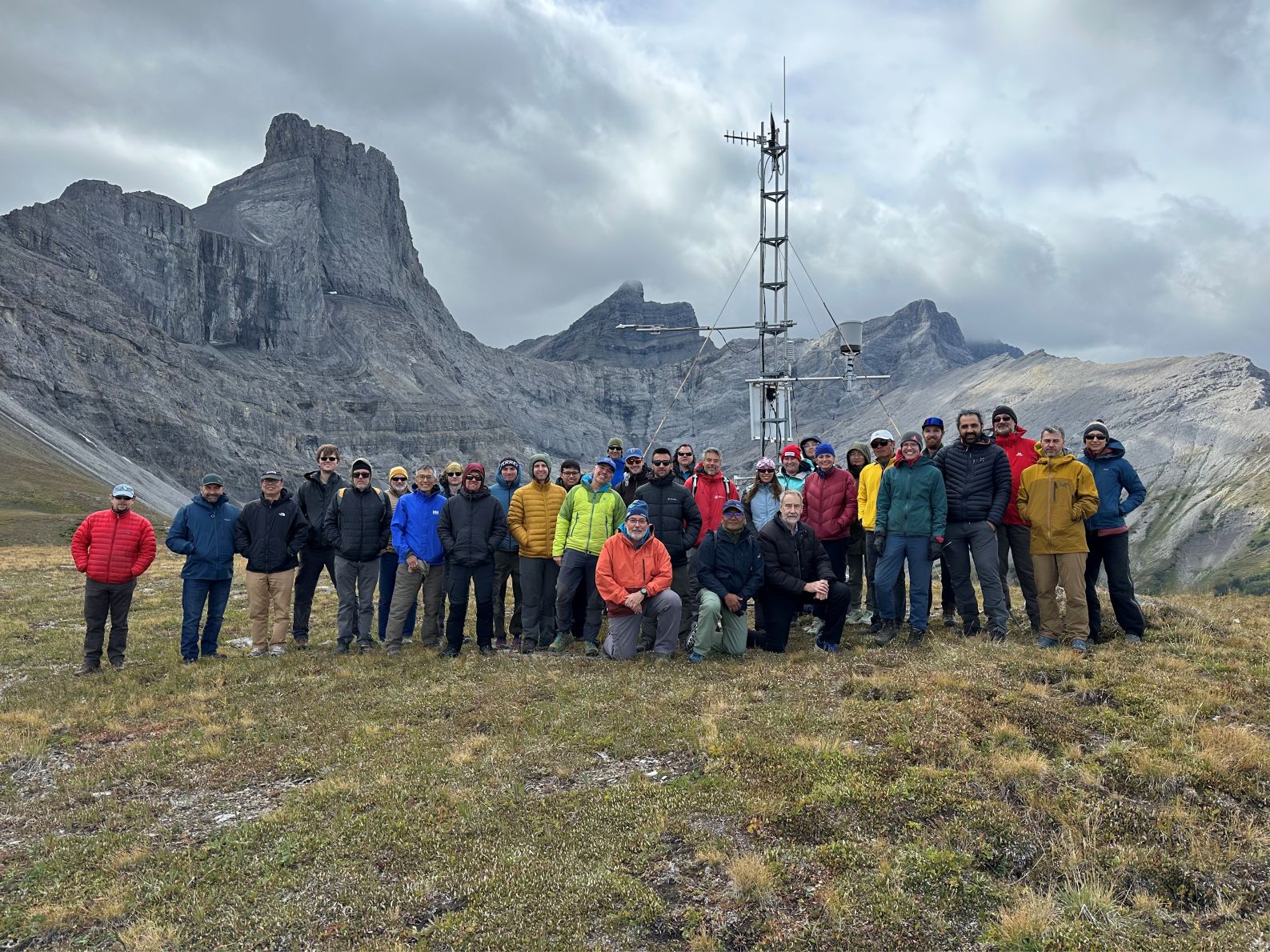
Participants of the 2026 annual workshop at the Fortress Ridge meteorological station within the Fortress Mountain Research Basin, Kananaskis, Alberta, Canada (September 9, 2026).
INARCH Statement 2026
- INARCH returned to Kananaskis, Canada (2015, 2026).
- There are substantial and sometimes catastrophic changes in basin function due to declining cryosphere – we have seen regime change in some basins. Identifying these is urgent.
- Snow drought, declining snowpacks and the transition from snow to rain are changing mountain hydrology, with important consequences for runoff generation, water availability, ecosystems and downstream users.
- The Nepal–China flood highlighted rapidly increasing mountain hazards, demonstrating the need for integrated cryosphere–hydrology observations, prediction, transboundary data sharing, and improved early-warning systems.
- Promising advances in mountain observations and remote sensing are providing unprecedented information on snowfall, snow cover, glaciers, groundwater, ecosystems and hydrological processes, while innovative approaches are expanding observations into previously data-sparse high mountains.
- Mountain modelling is becoming higher-resolution, more physically complete, more fully coupled and more predictive, with advances in snow redistribution, data assimilation, AI, hydrological process representation, and coupled snow–soil-vegetation–groundwater–runoff-water resource modelling. Uncertainties in forcing data are more evident in impacting these models and need to be reduced.
- Researchers can use INARCH basins and models with AI to improve and incorporate forcing data, and accelerate model development, complex system interpretation, intercomparison, basin-chemistry-ecology-human interactions
- INARCH is using COPE to integrate observation and prediction systems, using WaterNet to archive sites, datasets and models. COPE enables coordinated multi-basin model diagnosis, comparison and prediction as a contribution to the Decade of Action for Cryospheric Sciences.
- INARCH will continue and reapply as a GEWEX crosscut project
Presentations
- Workshop Introduction (John Pomeroy, Ignacio López Moreno, Chris DeBeer)
- Novel snowfall measurements and what they tell us about our understanding of mountain water resources (Hamish Pritchard)
- Establishing the Southern Alberta Mountain Observatory (SAMO) (Caroline Aubry-Wake)
- GWFO’s Canadian Rockies Hydrological Observatory: Status, Observations and Findings (John Pomeroy)
- The Effects of Chinook (Foehn) Winds on Alpine Forest Transpiration (Rich Petrone)
- From hydrological to ecohydrological monitoring in alpine basins: assessing the impacts of cryosphere degradation (Nacho López-Moreno)
- Recent advances in snow data assimilation in forests (Esteban Alonso-Gonzalez)
- Seasonal Snow Cover Monitoring and Snowmelt Detection in the Pyrenees Using Sentinel-1/2 and MODIS in Google Earth Engine (Adrián Melón-Nava)
- H2US: A Collaboratory for Mountain Hydroclimate Science (Tim Schneider)
- Alpine Catchment Snow Distributions, Mountain Winds, and AI Modeling (Ethan Gutmann)
- Hydrologic modeling at the source of Yellow River Basin on Tibetan Plateau (Di Liu)
- Building integrated high-mountain observations and modelling capacity in the Nepal Himalaya: HiM-DATA & Preliminary CRHM applications (Dhiraj Pradhananga)
- Accelerate now: water, culture, action (Zhongbo Yu)
- Hydrogeological Functions of Interconnected Aquifers in an Alpine Headwater Catchment (Masaki Hayashi)
- Scale Breaks in Snow Depth Distribution and Their Topographic Controls: Insights from Remote Sensing and CHM (Jesús Revuelto)
- Can/should we use ERA5-Land forcing data to represent the mountain snowpack in the Andes Cordillera? (Sebastián Krogh)
- Plant–soil water relationships across the rain–snow transition zone (James McNamara)
- Extension of the AlpSnow products to INARCH sites AND Coupled energy balance, mass balance and hydrological modelling in deglaciating catchments (Richard Essery)
- Trishuli–Bhote Koshi Flood, August 2026 (Dhiraj Pradhananga)
- From sea to sky, across the continental divide (Terri Whitehead, Tricia Stadnyk)
- Simulating natural and managed snow and future climate sensitivity at Nakiska Ski Area, Kananaskis Valley (Marc Pons)
- The Comprehensive observations and numerical simulations of energy and water exchanges and their climatic effects over the Third Pole region (Binbin Wang, Yaoming Ma,Weiqiang Ma)
- Canadian Hydrological Model Development: Route to Routing (Donovan Allum)
- Challenges in defining “effectively no snow” (Tim Link)
- Exploring the capacity of high-resolution, snow-drift permitting modeling across the Andes Cordillera (Miguel Moraga)
- Impact of a Snow Drought on the Hydrology of Headwater Basins in the Canadian Rockies (Xing Fang)
- Common Observing Period Experiment (COPE) data management and status (Chris DeBeer)
- The WaterNet Data Management System (Stephen O'Hearn)
- Workshop Closing (John Pomeroy, Ignacio Lopez-Moreno)
Photos
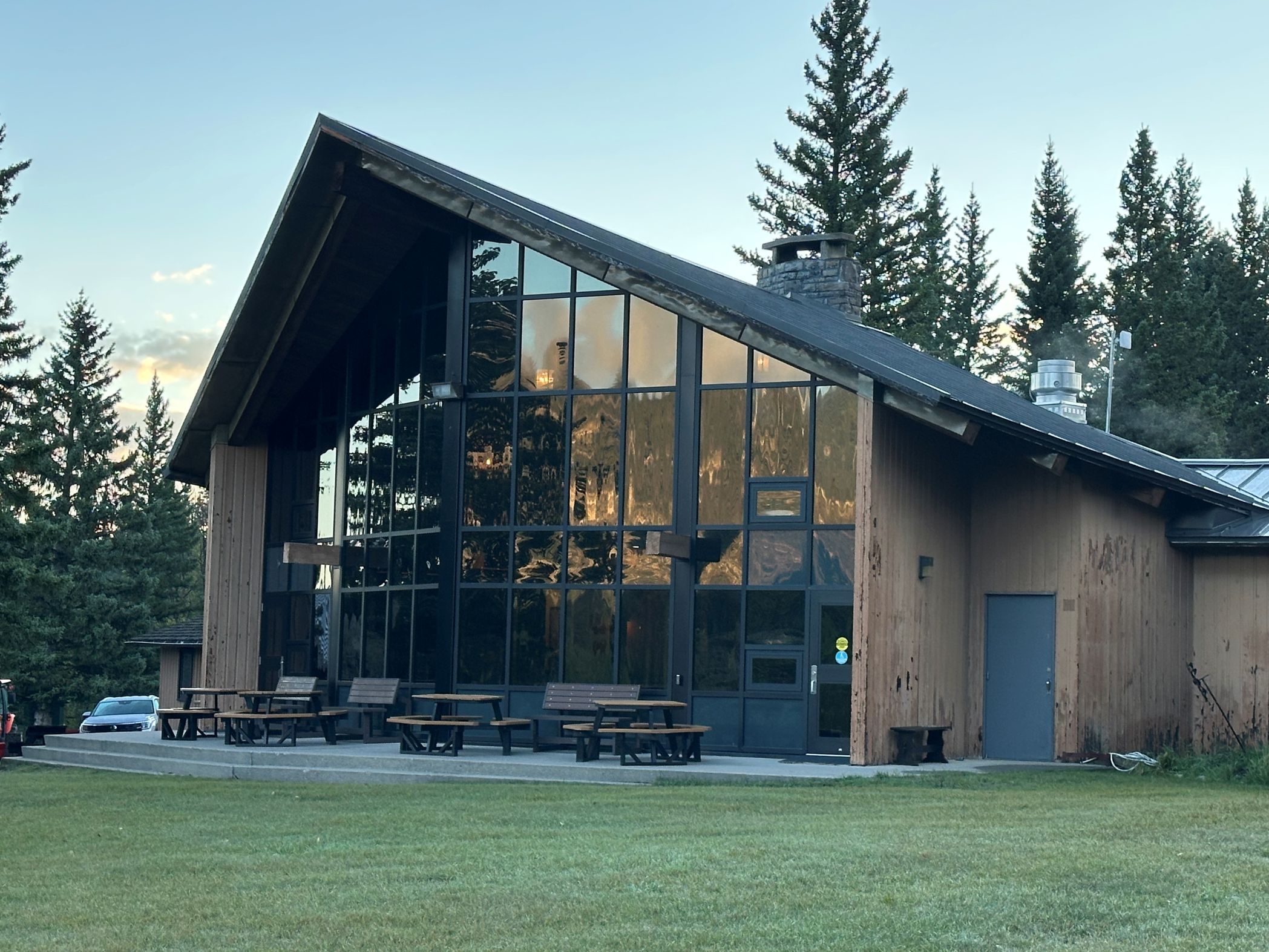
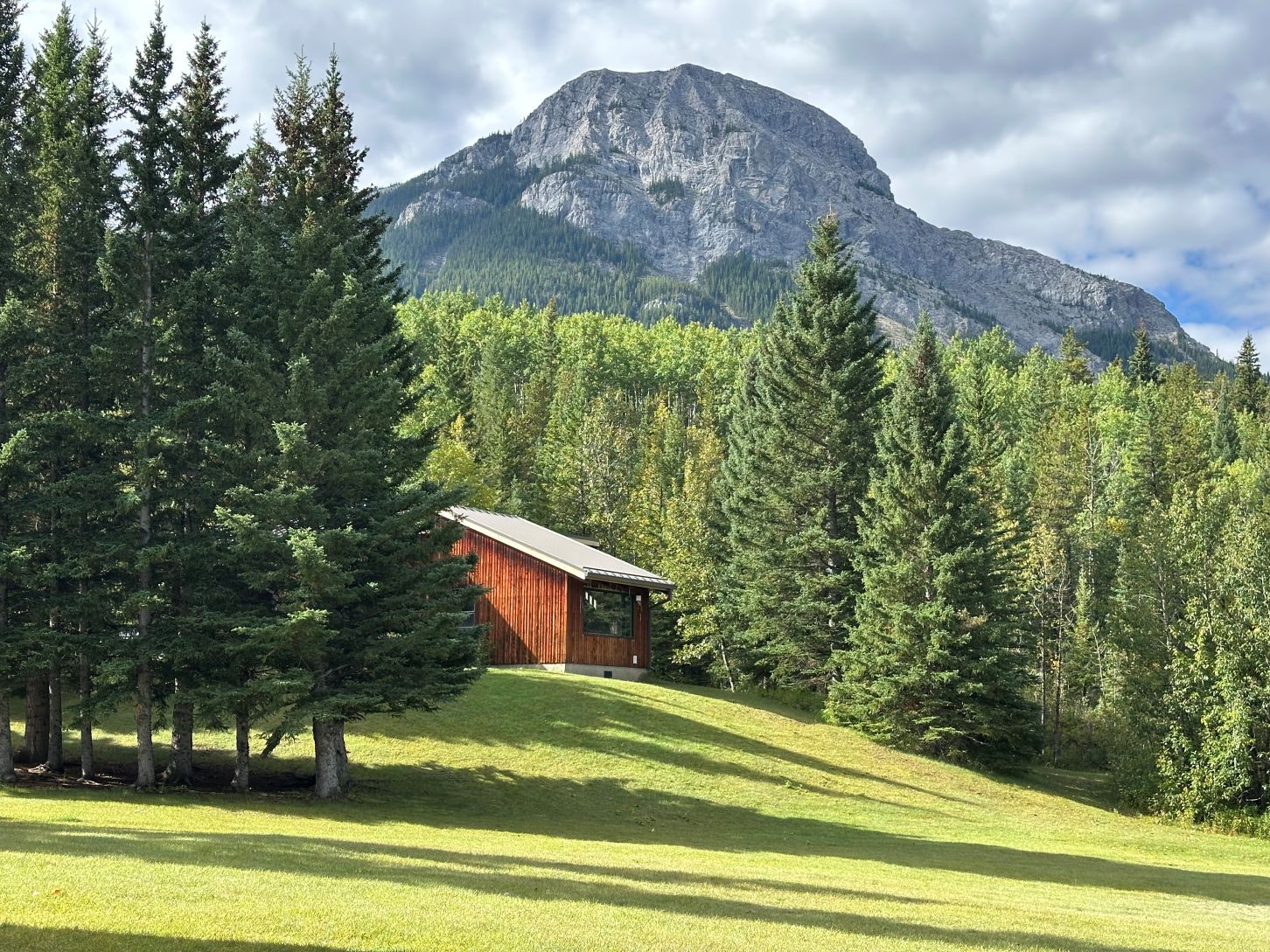
Main lodge and one of the duplexes at the Barrier Lake field station in Kananaskis
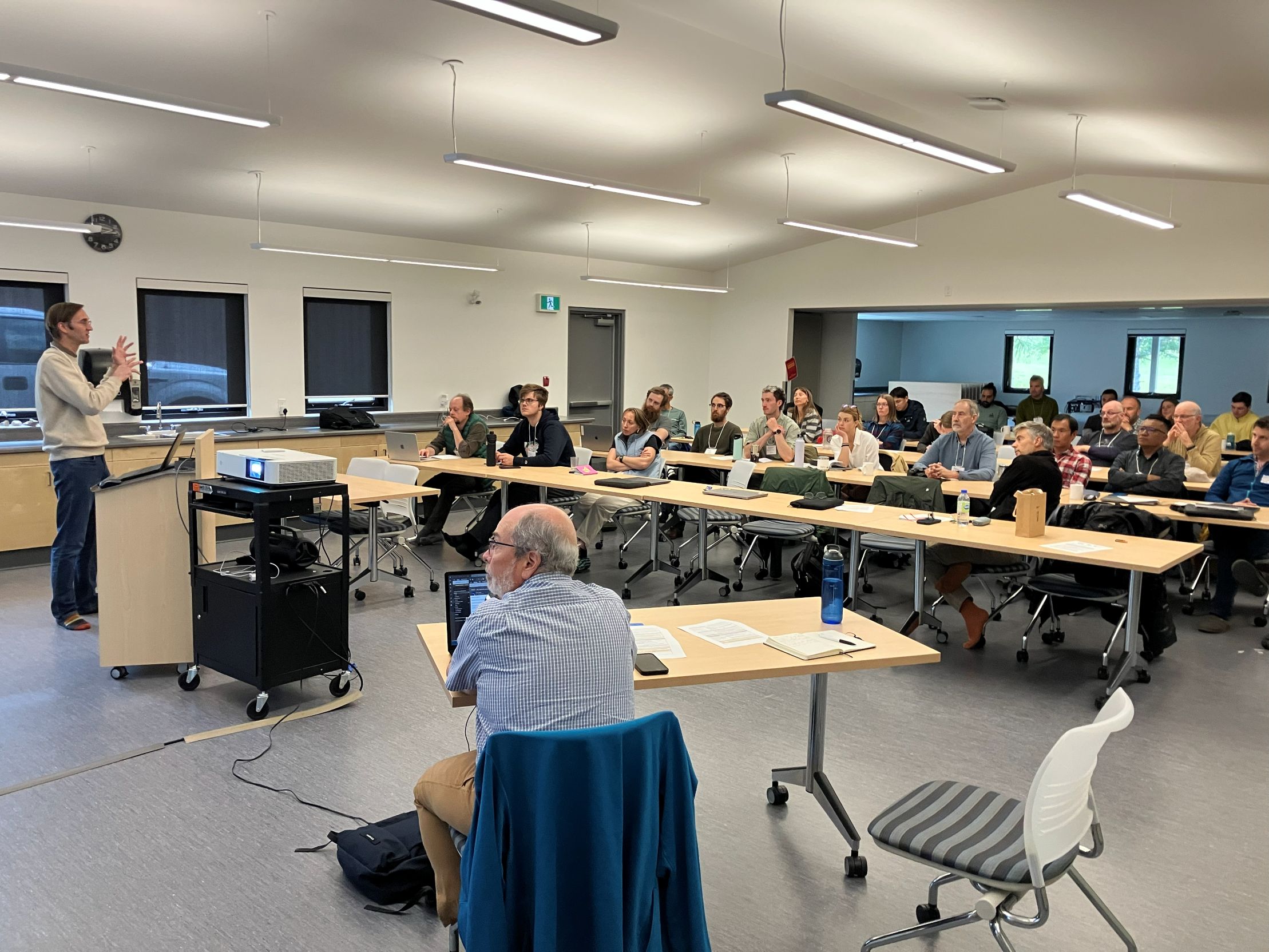
Ethan Gutmann presenting on day-1 of the workshop
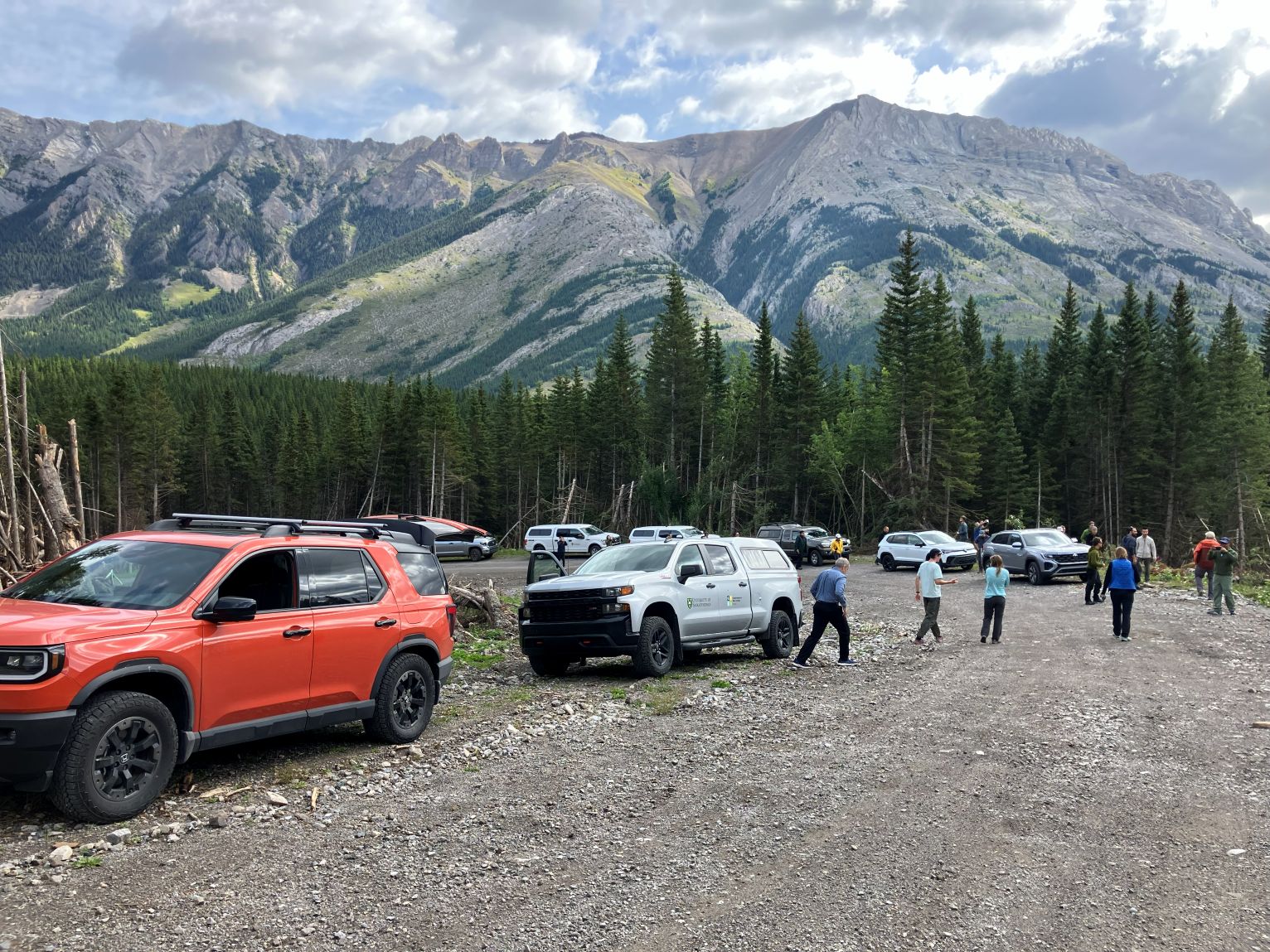
Convoy of vehichles arriving at the road to Fortress Mountain Research Basin on day-2
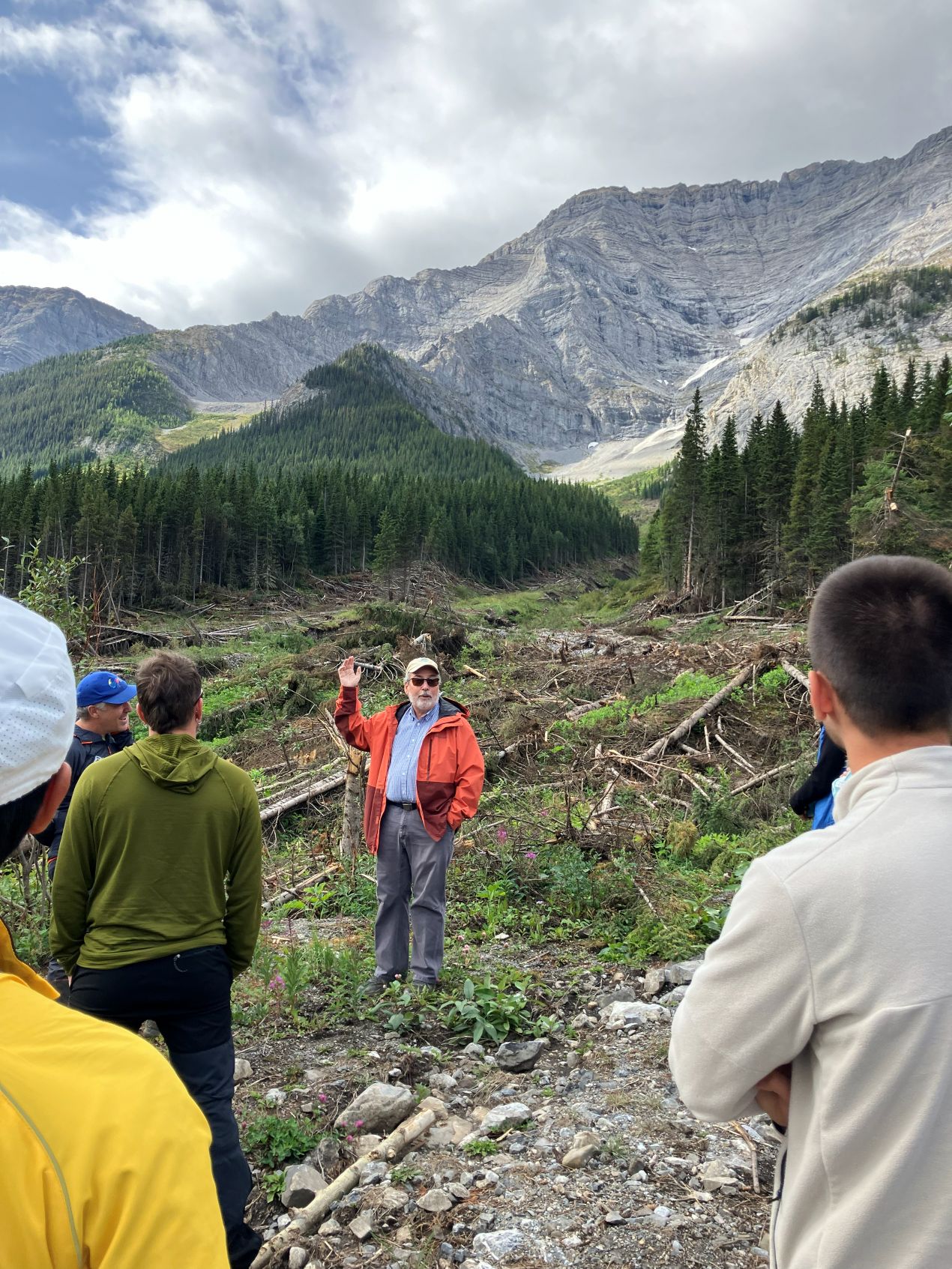
John Pomeroy explaining about the massive avalanche that occured here in March 2026
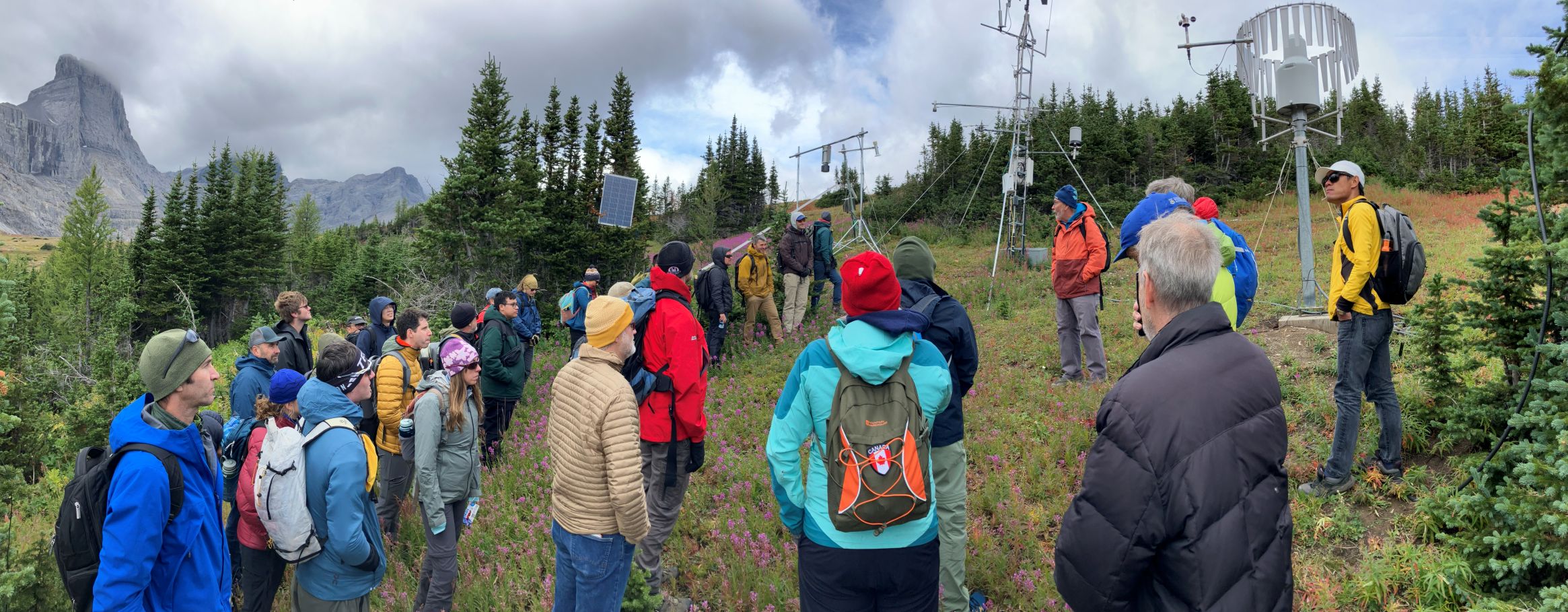
Participants at the Fortress Ridge south-facing meteorological station
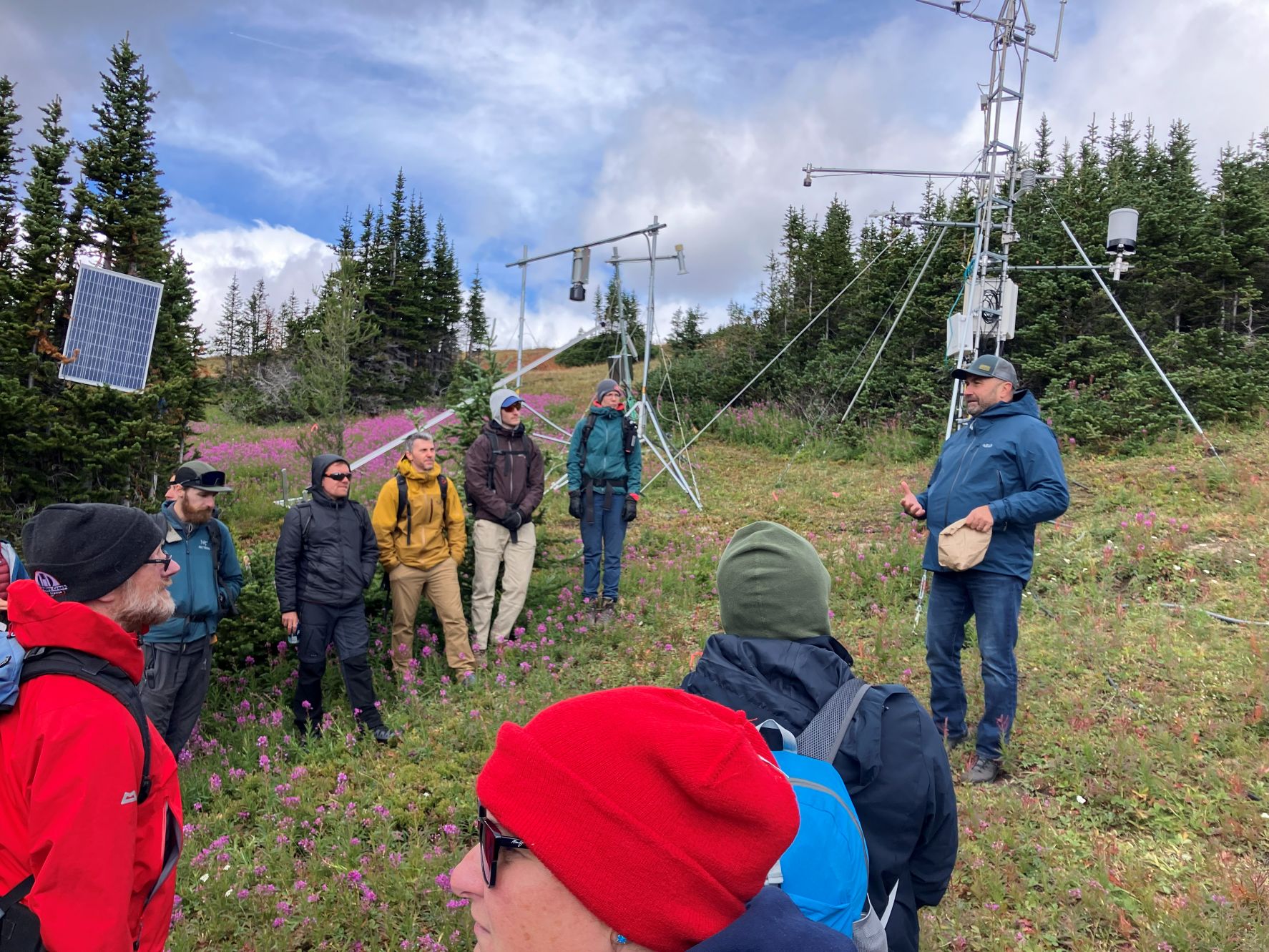
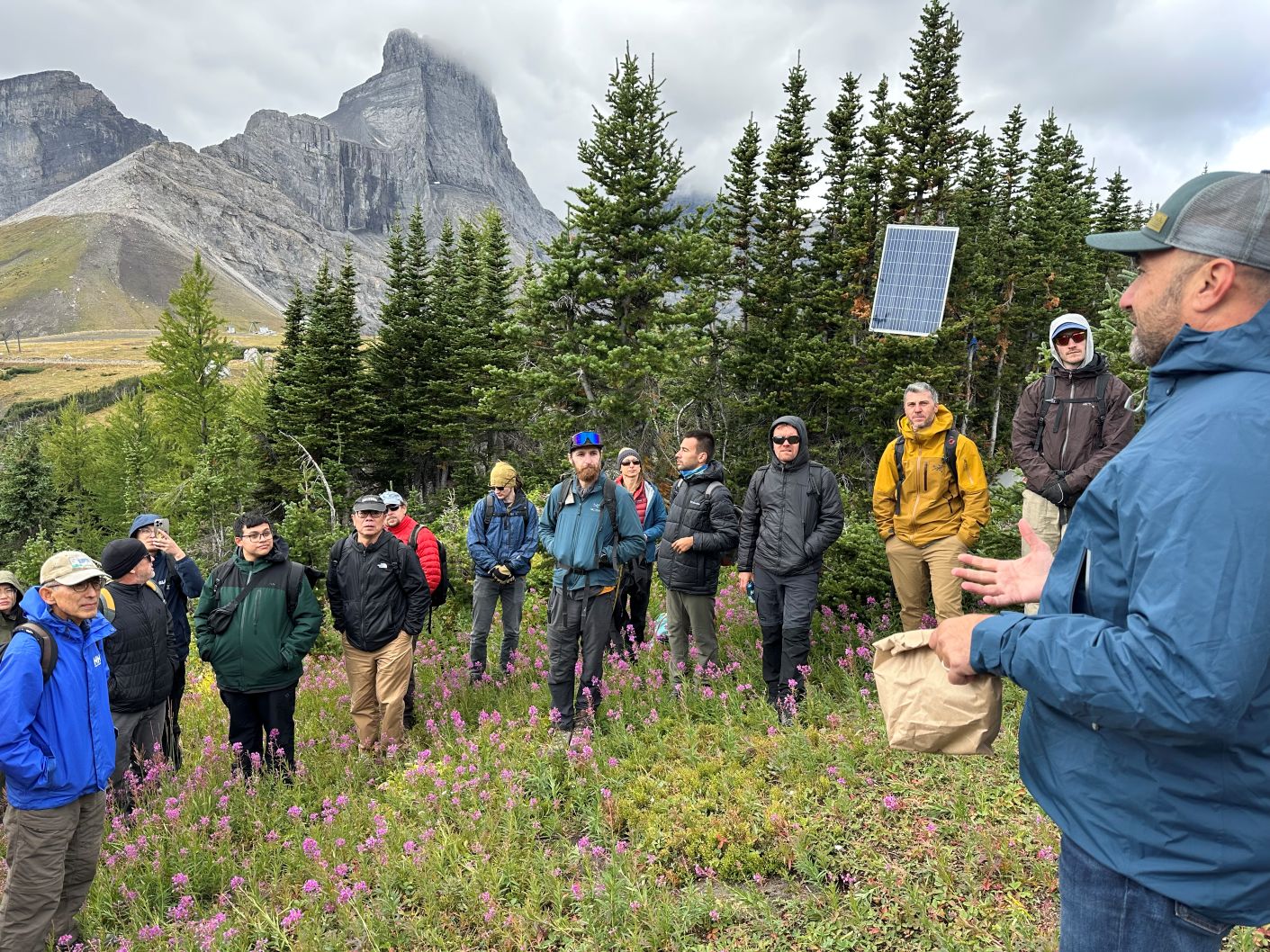
Rich Petrone explaining about sap-flow measurements at this site
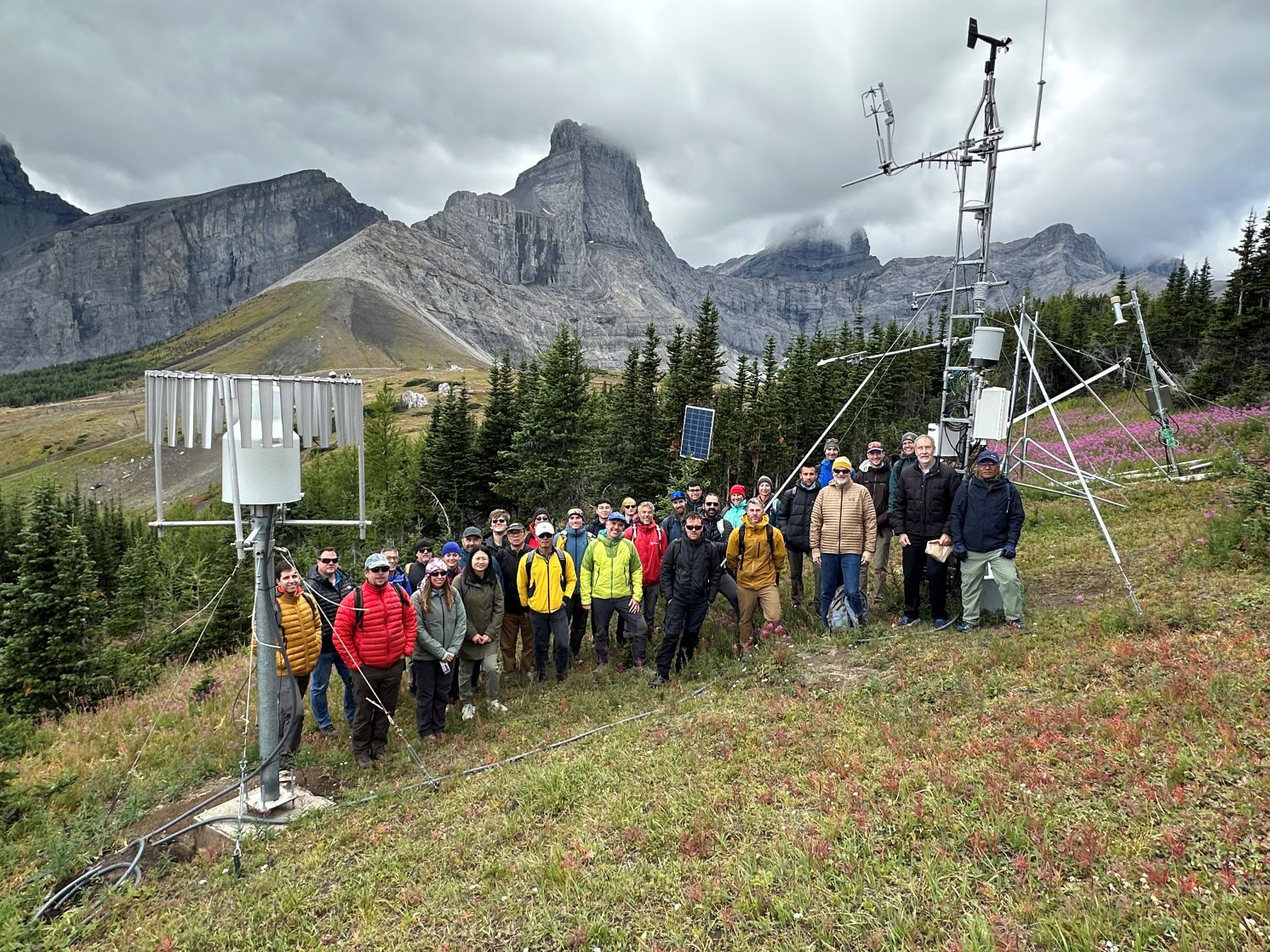
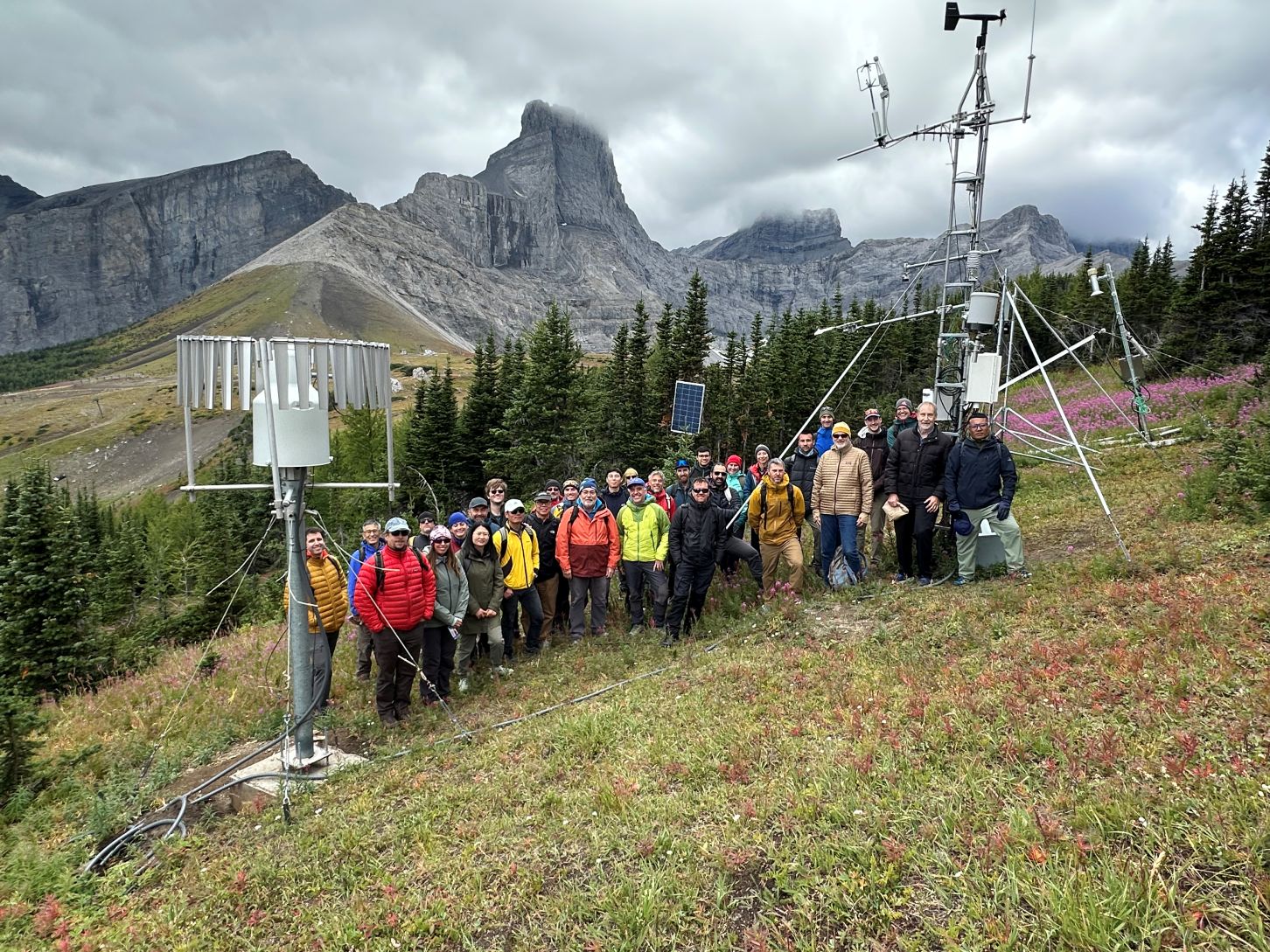
Participants at the Fortress Ridge south-facing meteorological station (September 9, 2026)
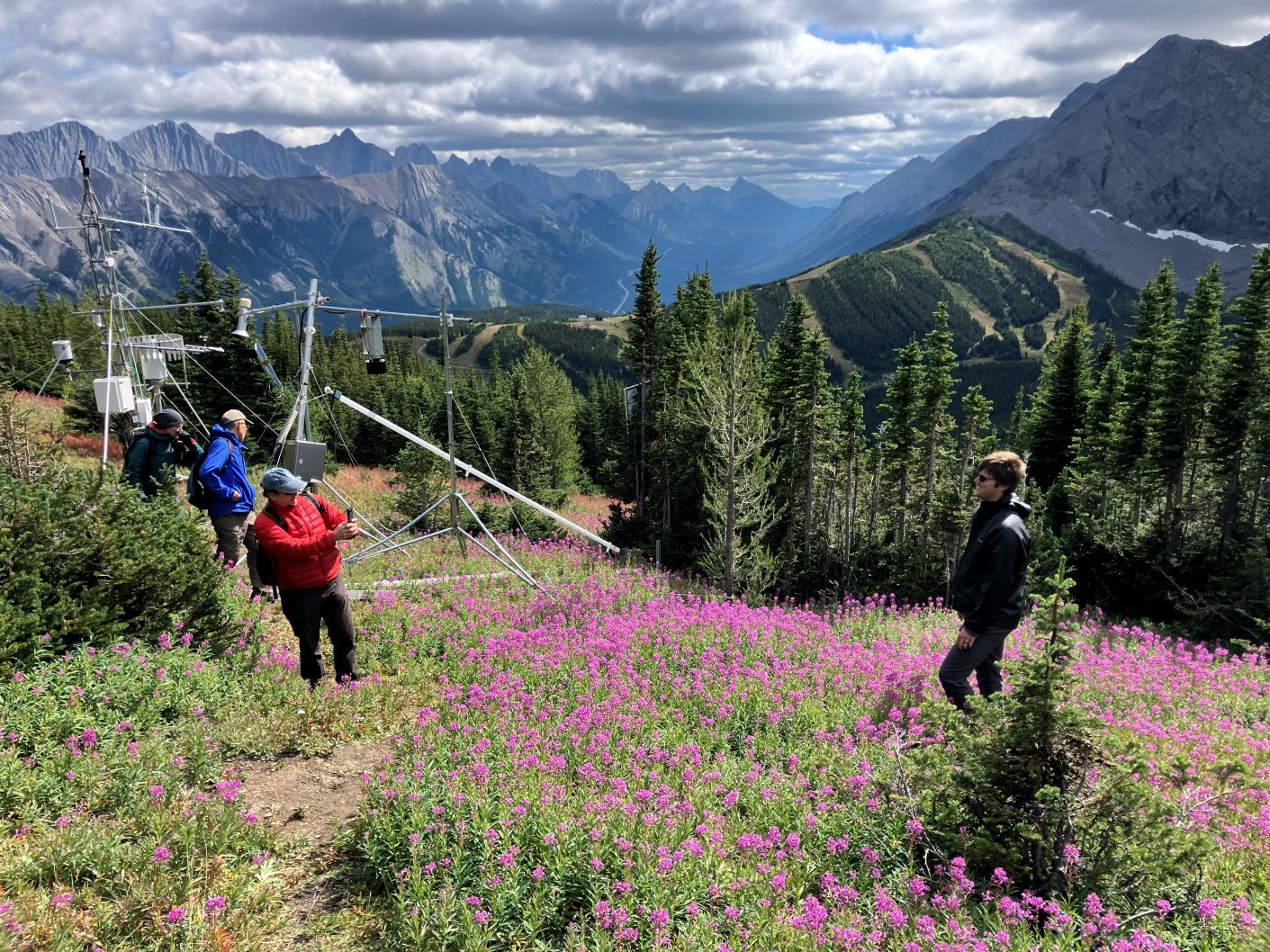
Fortress Ridge south-facing meteorological station
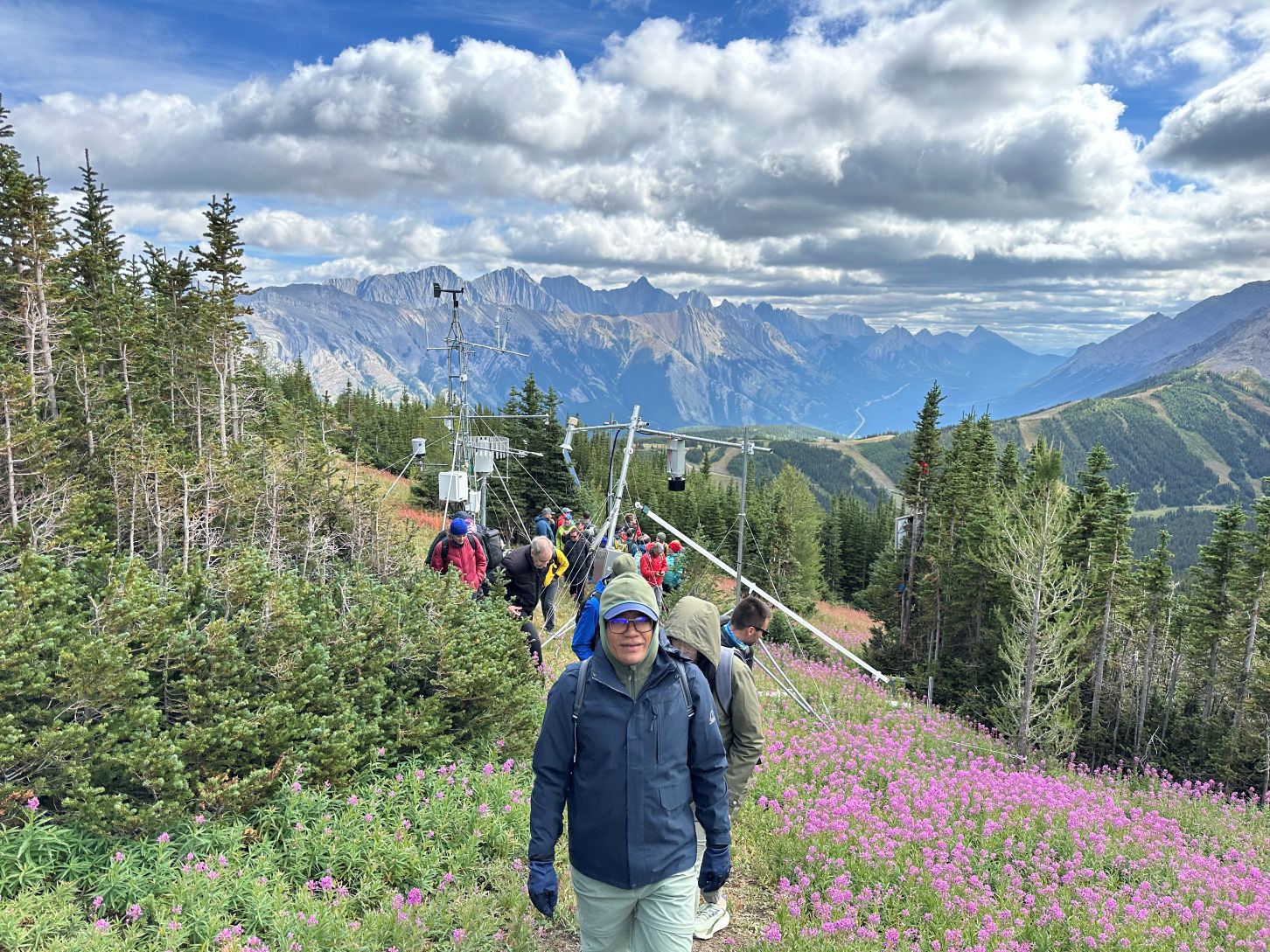
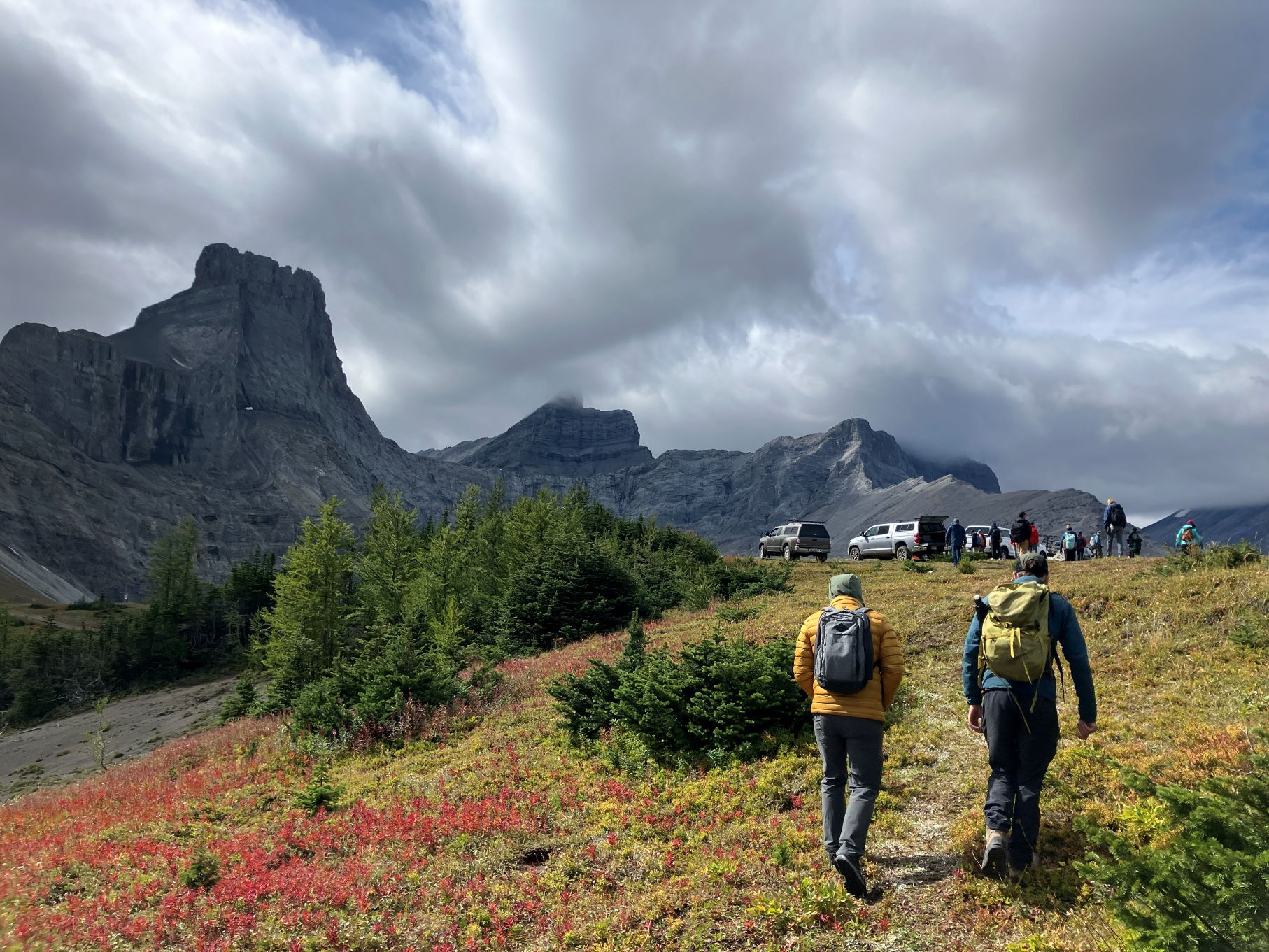
Returning to the the trucks parked on Fortress Ridge
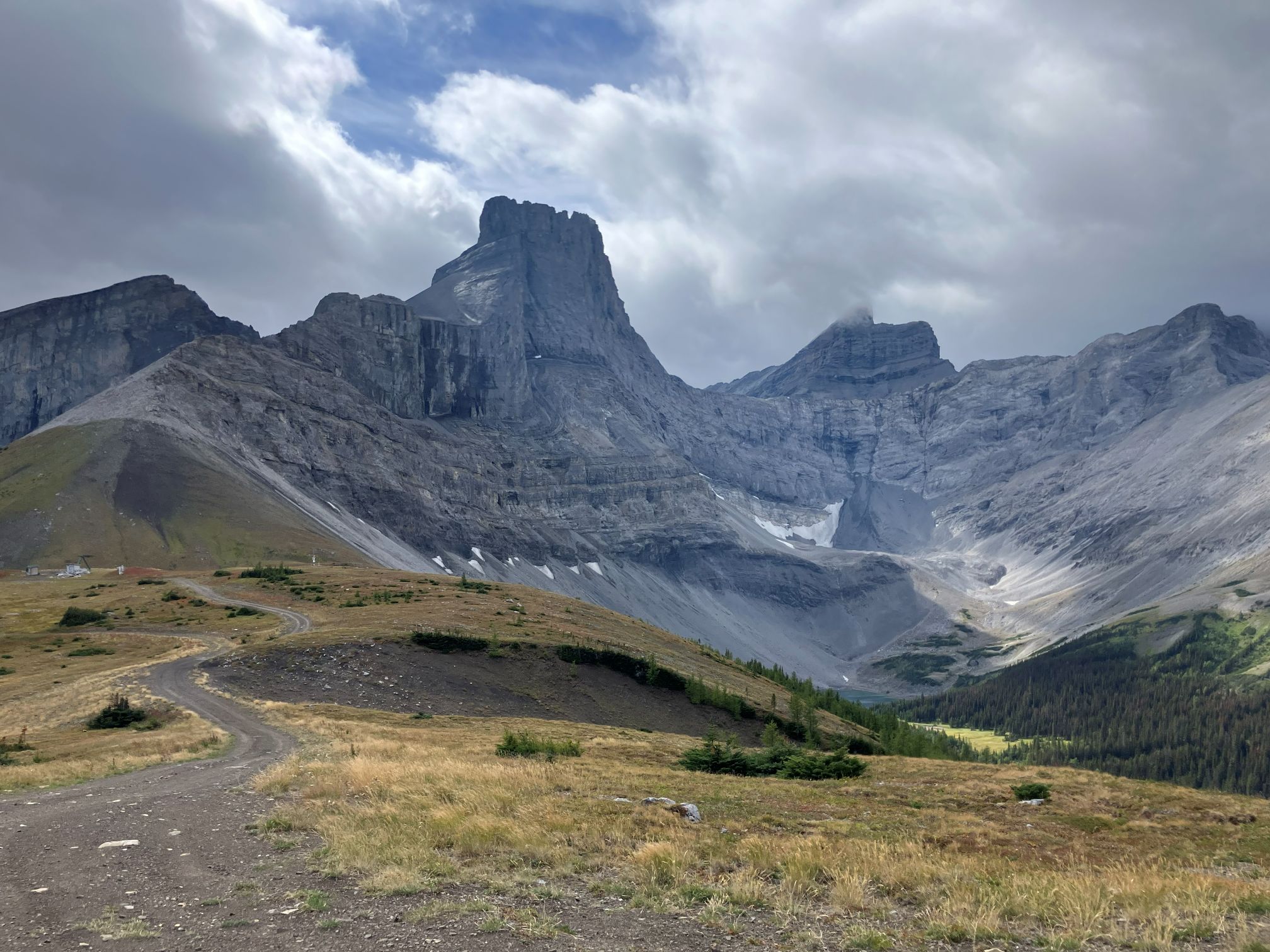
The Fortress (3,000 m) and Gusty Peak
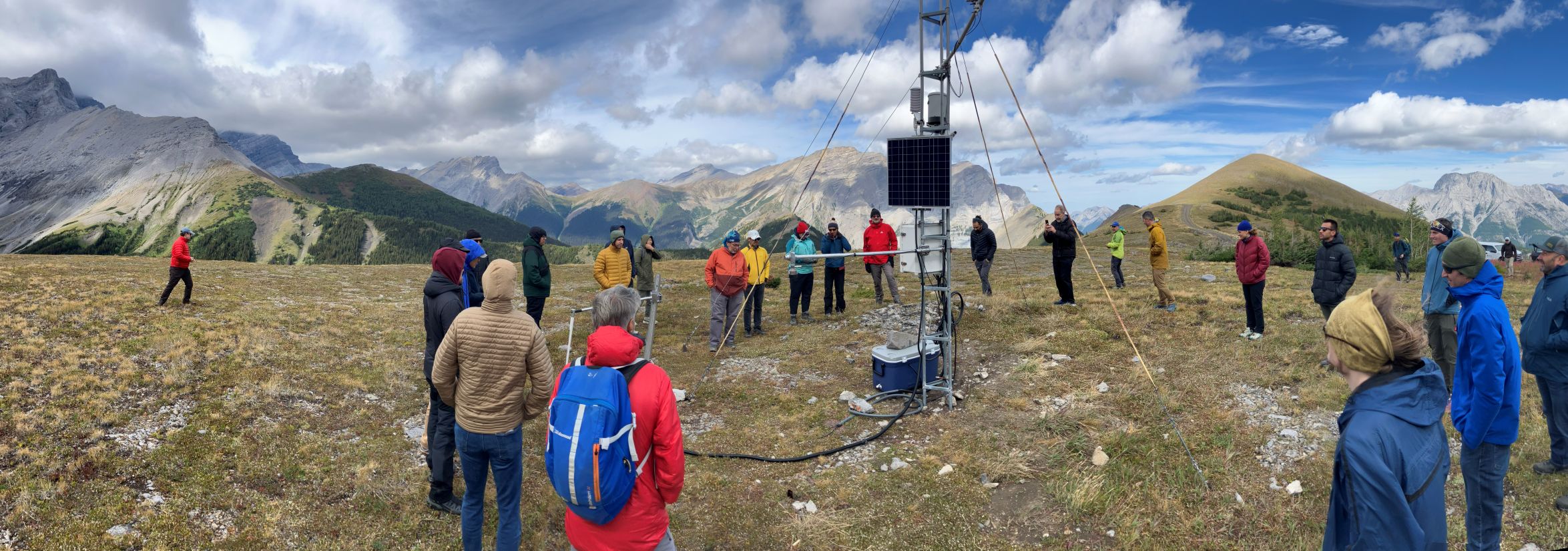
Participants at the Fortress Ridge meteorological station
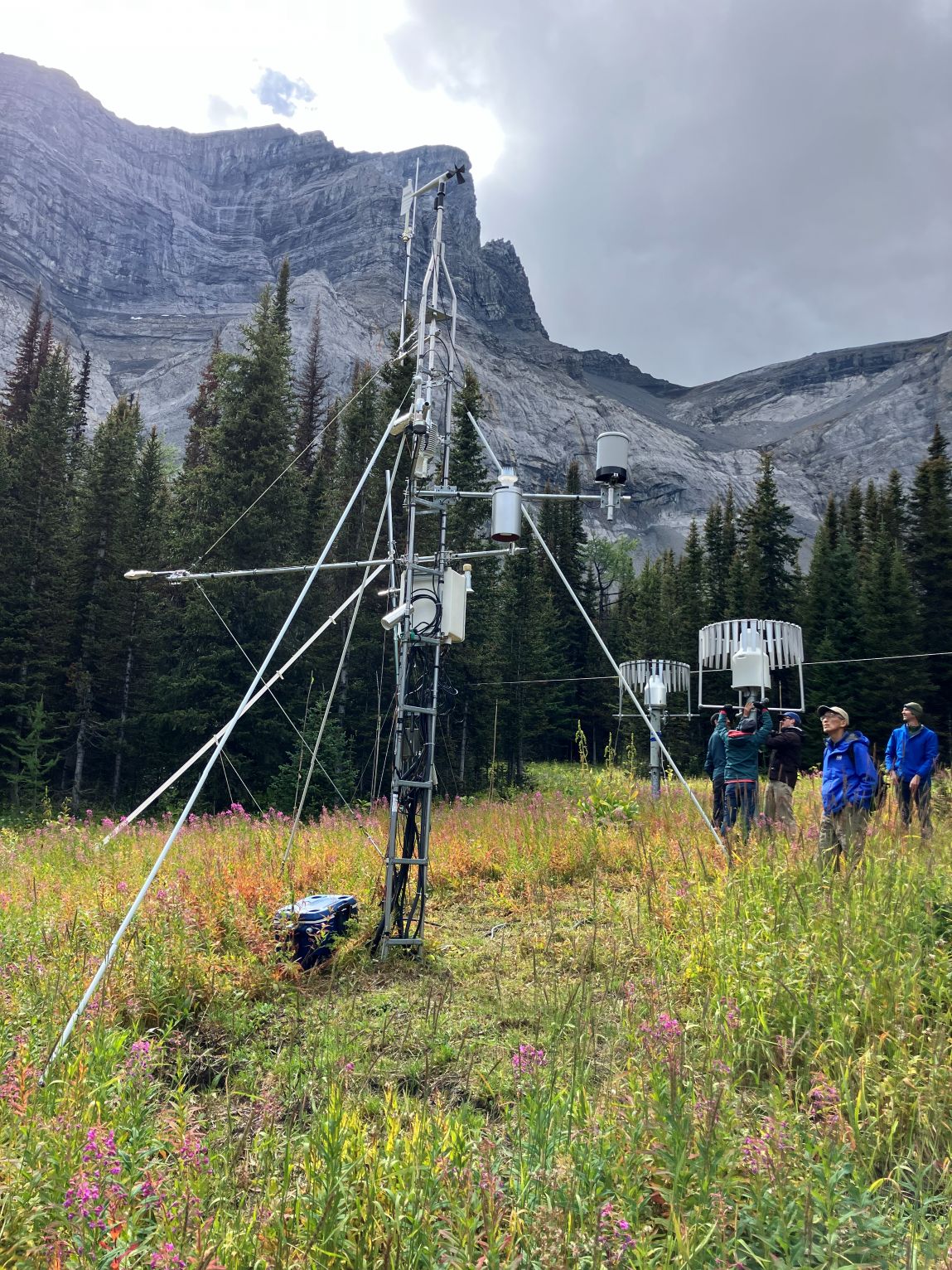
Bonsai clearing meteorological station
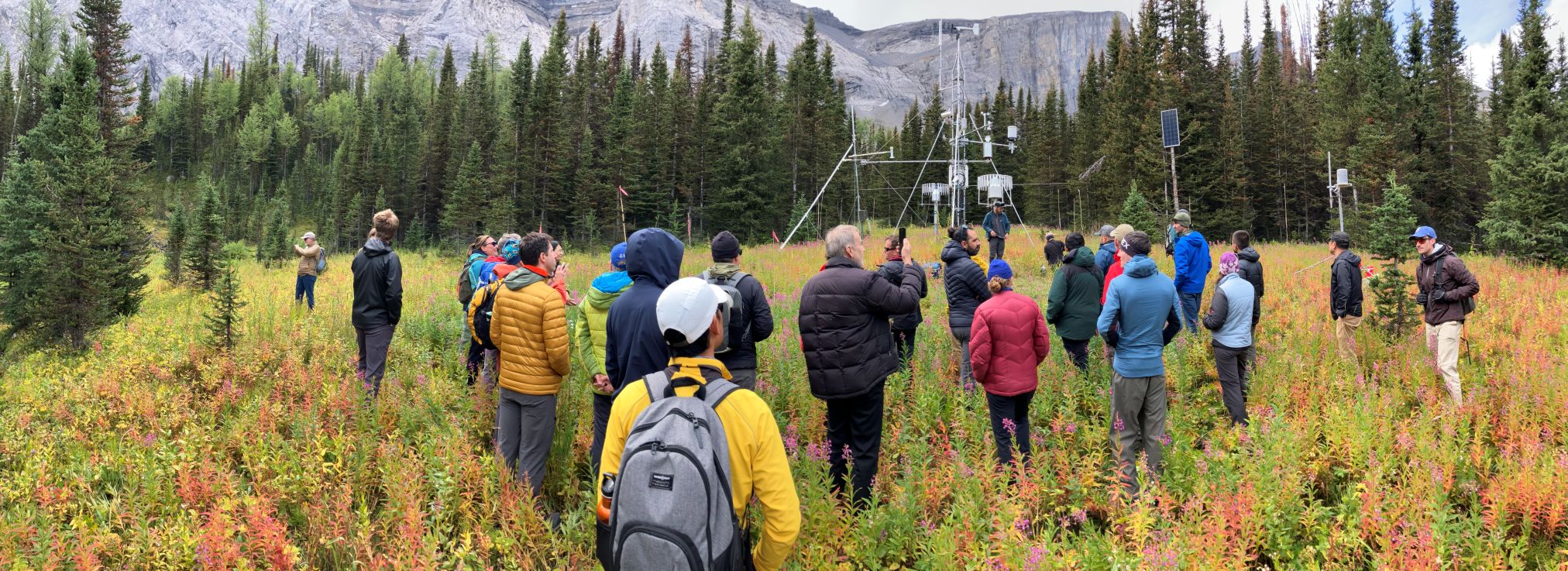
Bonsai clearing meteorological station
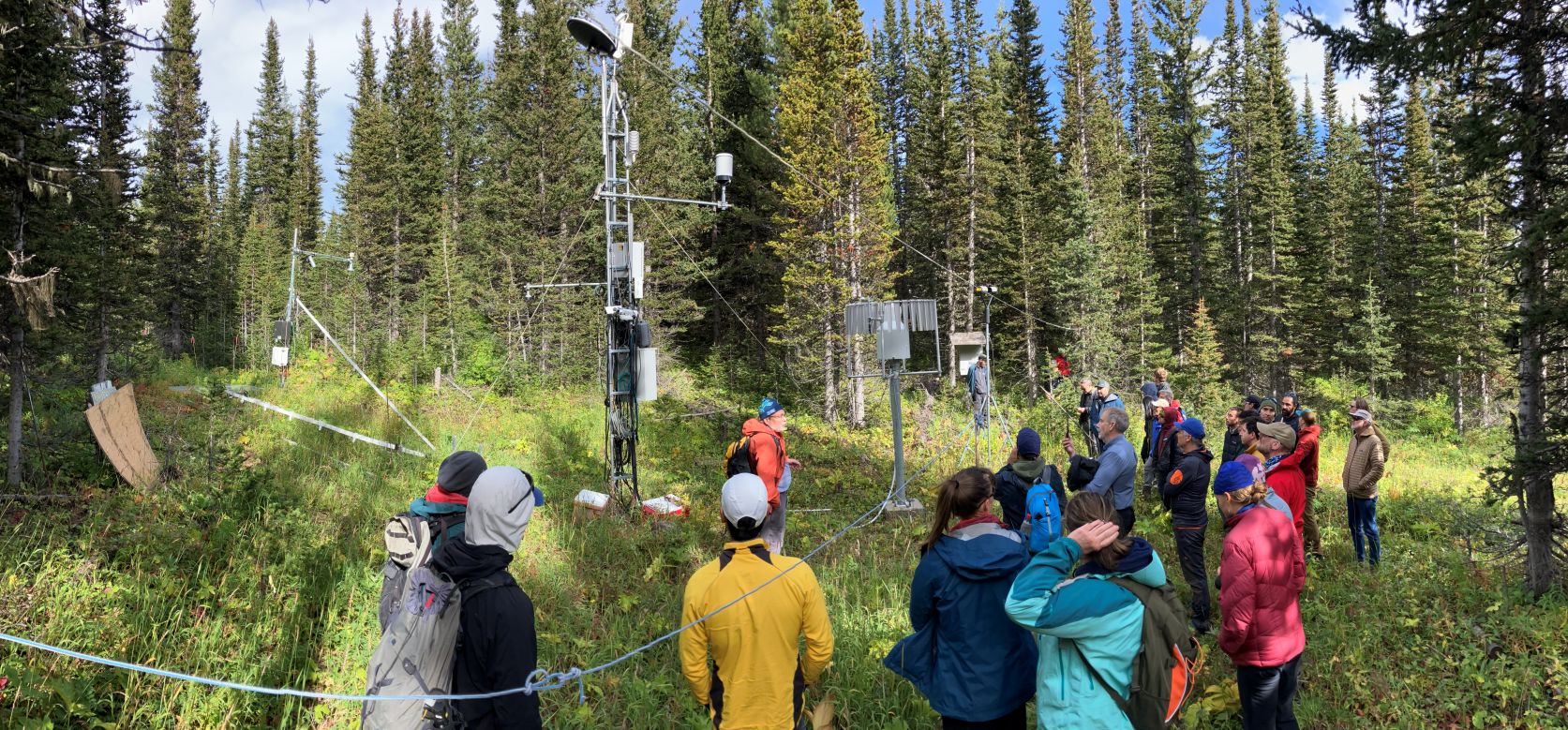
Participants at the Powerline clearing meteorological station
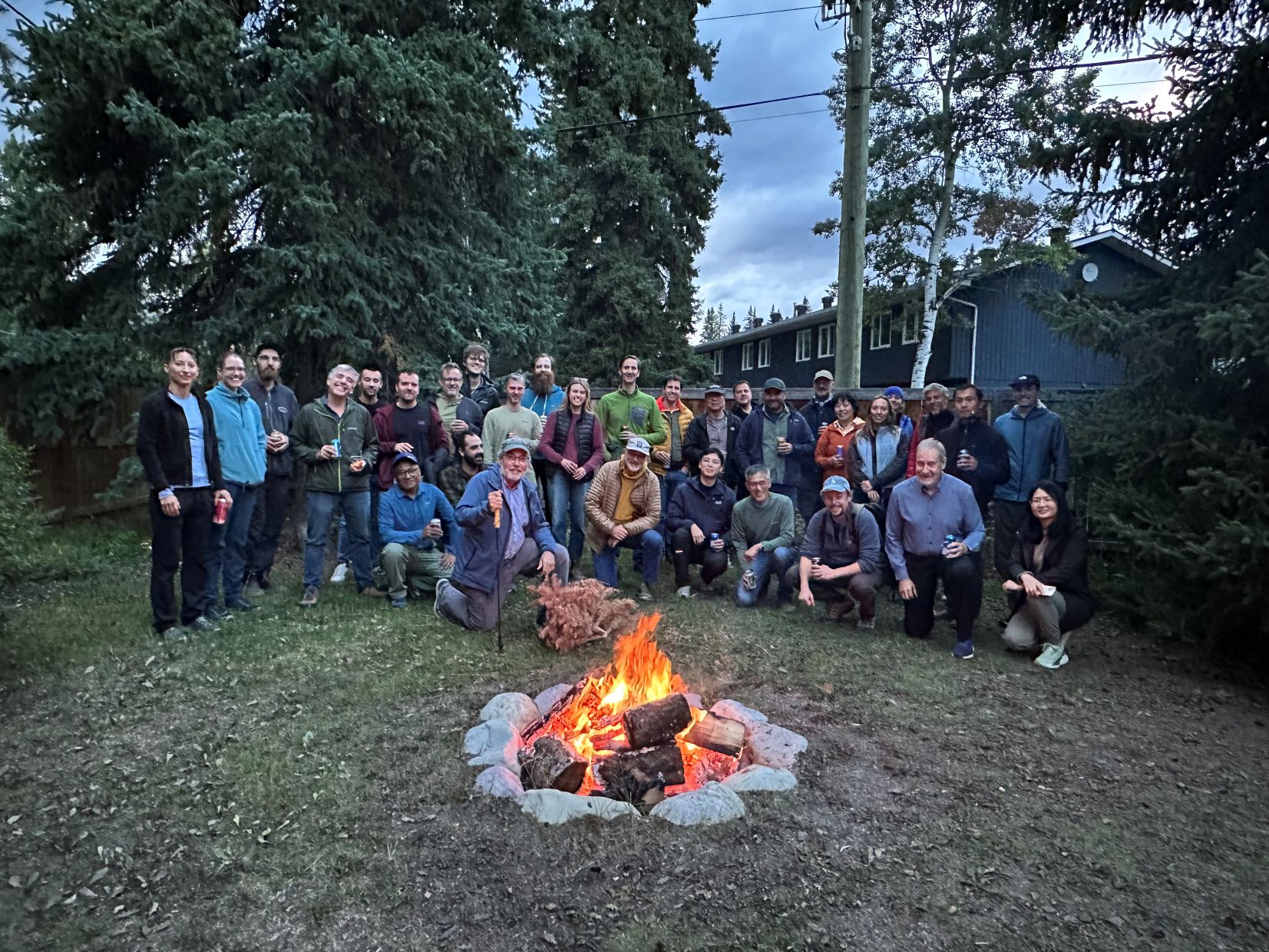
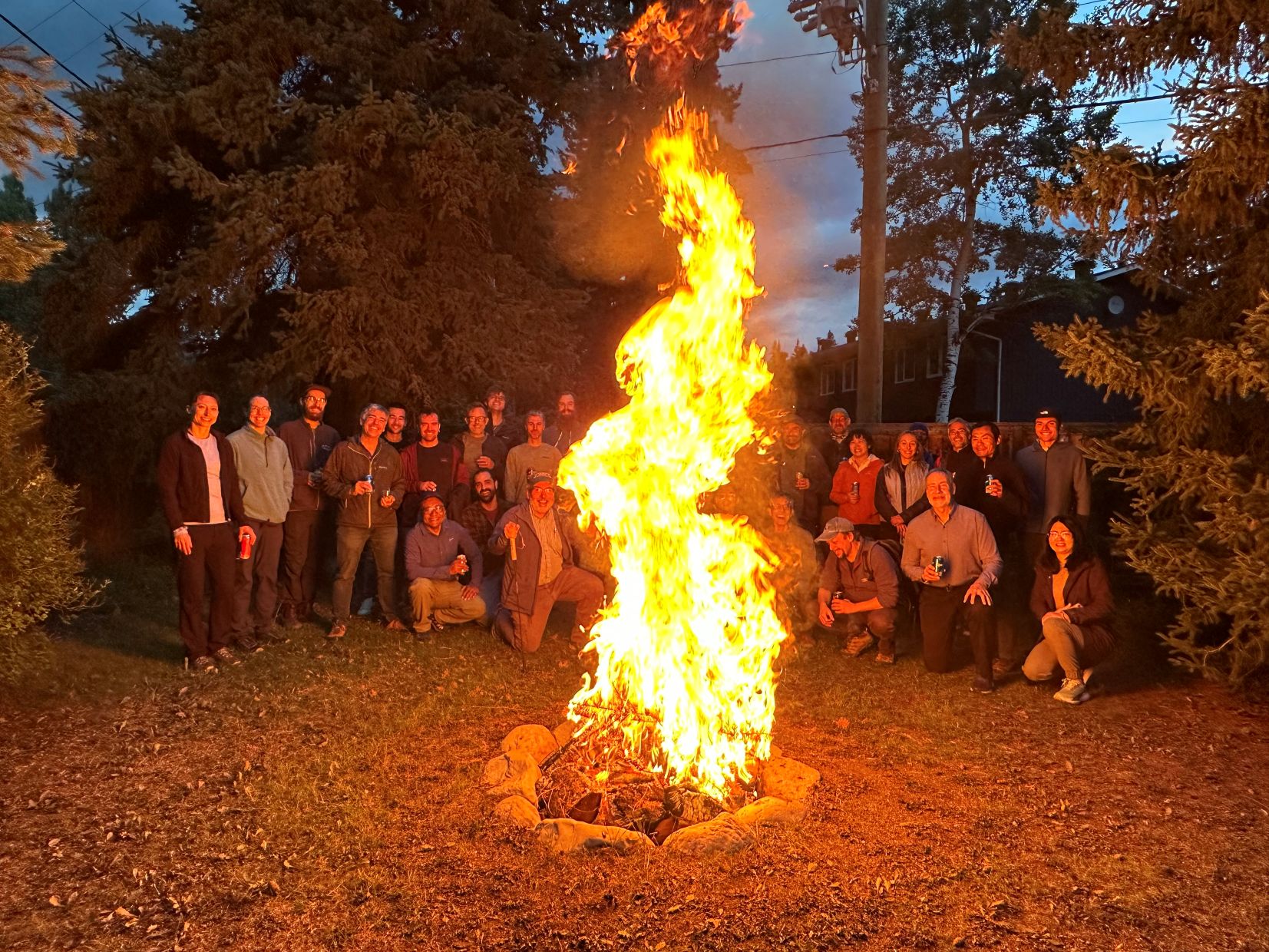
Bonfire at John Pomeroy's home on September 9, 2026
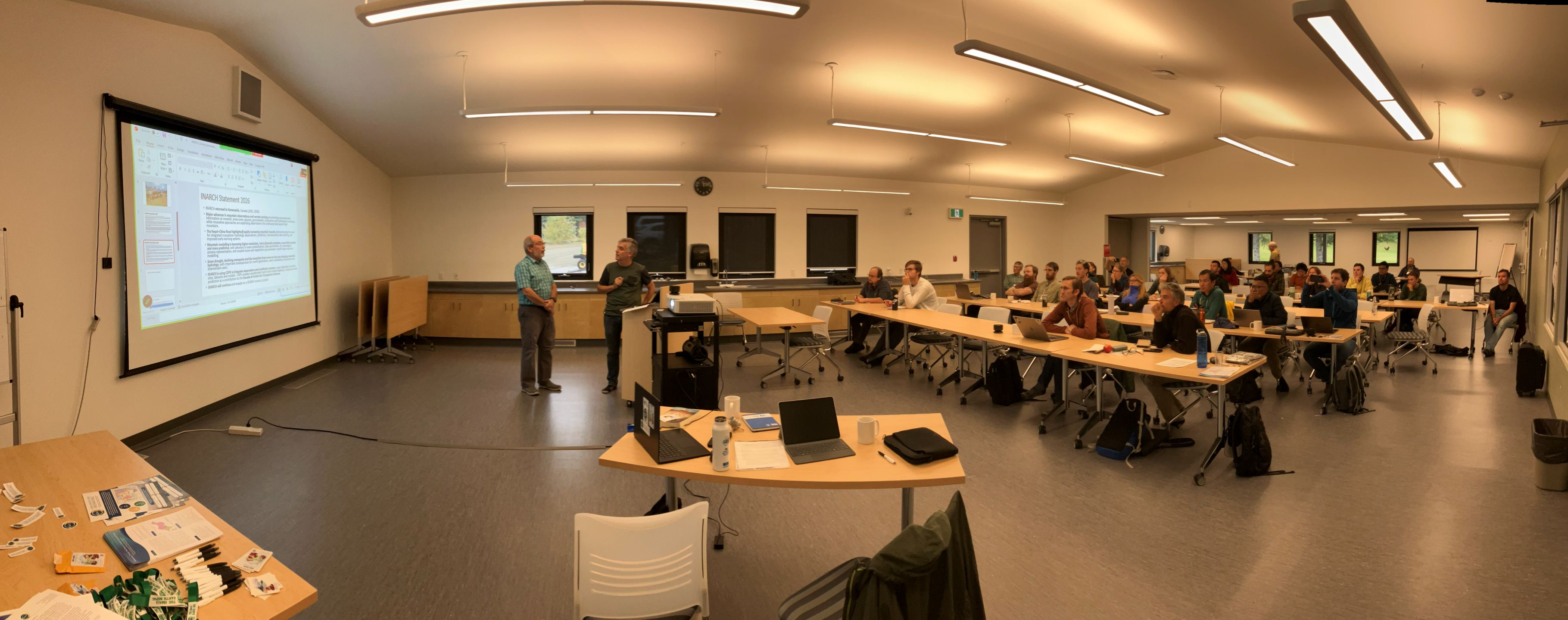
Final session on day-3 of the workshop and drafting of the INARCH Statement 2026

Online participants during the COPE discussion and closing session